
World History: Turning Points of Human Civilization study guide · Lesson 10 of 13
Industrialization, Fossil Energy, and the Great Divergence
Steam Power, Fossil Capital, and Factory Urbanization · The New Imperialism, the Scramble for Africa, and Global Asymmetries
This is the lesson's study guide from the FlashFeed app, plus its key facts and a self-test.
What you'll be able to do
- Describe how the shift to fossil coal energy, James Watt's steam engine, and the factory system drove the Industrial Revolution.
- Describe the technological and military asymmetries behind the Scramble for Africa, the Opium Wars, and Meiji Japan's defensive modernization.
Between 1760 and 1914, human society transitioned from an organic agrarian economy dependent on muscle, draft animals, wood, and water to a mineral-based industrial economy powered by Fossil Fuels. This Industrial Revolution concentrated production in mechanized urban factories, fostered global economic disparity known as the Great Divergence, and spurred the imperial partition of the globe under New Imperialism.
Steam Power, Fossil Capital, and Factory Urbanization
Britain's unique convergence of abundant coal deposits, high real wages, commercial capital, and patent security catalyzed industrialization. In 1769, Scottish engineer James Watt patented the separate condenser Steam Engine, radically improving thermal efficiency; in the 1780s he adapted it to convert fossilized solar energy (coal) into continuous rotary mechanical power. Mechanization transformed cotton textiles through innovations such as James Hargreaves's Spinning Jenny, Richard Arkwright's Water Frame, and Edmund Cartwright's Power Loom. In iron metallurgy, Abraham Darby's coke smelting at Coalbrookdale (1709) freed ironmaking from wood charcoal and opened the way to iron production on a far larger scale.
Why industrialization began in Britain rather than in other advanced regions such as China's Yangtze Delta is still debated. In The Great Divergence (2000), historian Kenneth Pomeranz argued that the two regions were broadly comparable until the 19th century. In his account Britain pulled ahead through two advantages: large, accessible coal deposits, whereas China's biggest coalfields lay in the northwest, far from its later centers of industry; and the ghost acres of the Americas, whose sugar, cotton and timber spared Britain from producing them on its own land.
Steam power liberated factories from river valleys, concentrating mechanized production in industrial cities like Manchester ("Cottonopolis"). The Factory System imposed strict clock-time discipline, division of labor, and dangerous working conditions on wage laborers, including women and children. From 1811, English textile workers known as Luddites smashed machinery that threatened their pay and skilled trades. Parliament regulated factory labor through the Factory Acts: the 1833 Act barred children under nine from most textile mills, limited older children's hours, required two hours of schooling a day, and created a factory inspectorate; the 1847 Ten Hours Act limited women and young people aged 13 to 18 in textile mills to a ten-hour working day. Transport was revolutionized in 1830 with the opening of the Liverpool and Manchester Railway, whose steam locomotives included Robert Stephenson's Rocket. Railway timetables also forced the standardization of time: British railways replaced each town's local time with Greenwich Mean Time from 1847, and North American railways adopted standard time zones in 1883.
These socioeconomic transformations generated radical critiques. In 1848, German theorists Karl Marx and Friedrich Engels published The Communist Manifesto, arguing that "the history of all hitherto existing society is the history of class struggles" and that their own epoch had simplified class antagonisms into two hostile camps, the bourgeoisie (owners of capital) and the proletariat (wage workers), predicting the overthrow of industrial capitalism.
The New Imperialism, the Scramble for Africa, and Global Asymmetries
Industrial technologies—the Maxim Machine Gun, steam gunboats, telegraph cables, and quinine prophylaxis against malaria—created a large military asymmetry between industrial and non-industrial societies.
In 1884–1885, German Chancellor Otto von Bismarck convened the Berlin Conference, where fourteen states, among them the United States and the Ottoman Empire, set rules for claiming African territory (the principle of effective occupation) without a single African representative present. Under the facade of the "Civilizing Mission," European powers extracted rubber, palm oil, copper, and diamonds. In the Congo Free State, personal property of Belgium's King Leopold II, forced labor quotas for wild rubber brought mass death and mutilation to the Congolese population; estimates of the toll vary widely and include deaths from disease and famine. Armed resistance could still succeed: on 1 March 1896 the Ethiopian Empire under Emperor Menelik II defeated an Italian colonial army at the Battle of Adwa, forcing Italy to recognize Ethiopia's sovereignty. By 1914 only Ethiopia and Liberia, which had strong ties to the United States, remained outside European control.
In Asia, industrial powers imposed unequal treaties. Britain's demand for Chinese tea had long drained silver to China; the British East India Company reversed this trade deficit by growing opium in Bengal for sale in China. British gunboats then enforced the opium trade in the First Opium War (1839–1842), ended by the 1842 Treaty of Nanking, which ceded Hong Kong; the supplementary 1843 Treaty of the Bogue then established extraterritoriality for British subjects. In India, the British Crown ended the British East India Company's rule following the Indian Rebellion of 1857 (Sepoy Mutiny), establishing the direct colonial rule of the British Raj.
In response to Western imperial encroachment, Japan executed the Meiji Restoration in 1868. Dismantling the Tokugawa feudal shogunate, Japan rapidly industrialized, built a modern conscript military, and became the first non-Western industrial great power, defeating Tsarist Russia in the 1904–1905 Russo-Japanese War. The 1889 Meiji Constitution, modeled mainly on the German (Prussian) system, declared the emperor sacred and sovereign while creating a two-chamber Imperial Diet.
Key terms
- Division of Labor
- The separation of a manufacturing process into distinct, specialized individual tasks performed by dedicated workers to maximize operational efficiency and output speed.
- Extraterritoriality
- The legal exemption of foreign citizens residing in a host country from local laws and judicial courts, subjecting them exclusively to their home nation's consular jurisdiction.
Key concepts
Industrial Revolution
- The global transition from manual agrarian craft production to mechanized factory manufacturing powered by fossil fuels
- Originated in Britain in the mid-18th century, driven by coal, steam power, iron metallurgy, and textile automation
- Transformed human demography, labor relations, urbanization, and global environmental carbon emissions
Steam Engine
- Thermal heat engine that performs mechanical work using steam as its working fluid
- Pioneered by Thomas Newcomen and perfected by James Watt with the separate condenser mechanism
- Decoupled mechanical production and transportation from biological, animal, wind, and river energy limits
Factory System
- Method of manufacturing characterized by concentrated powered machinery, division of labor, and strict wage labor discipline
- Replaced the domestic 'putting-out' artisan system with synchronized, clock-regulated shifts
- Concentrated urban working-class populations and catalyzed modern trade unionism and labor legislation
The Great Divergence
- The process by which Western Europe and North America achieved unprecedented wealth and industrial power compared to East and South Asia after 1750
- Attributed to accessible fossil fuel coal deposits, transatlantic colonial exploitation, and institutional innovations
- Reversed centuries where Song/Ming China and Mughal India had generated the majority of global manufacturing output
Scramble for Africa
- The rapid invasion, annexation, and division of the African continent by European imperial powers between 1881 and 1914
- Increased European territorial control of Africa from 10% in 1870 to 90% by 1914
- Driven by mineral resource extraction, prestige competition, and the Berlin Conference
Berlin Conference of 1884
- Diplomatic summit of fourteen states convened by Bismarck to regulate European colonization and trade in Africa
- Established the principle of 'effective occupation' requiring powers to demonstrate administrative control to claim territory
- Held without a single African representative present; it set rules for the Congo Basin and for claiming African territory, but did not draw the continent's borders
Meiji Restoration
- 1868 political transformation that dismantled the feudal Tokugawa Shogunate and restored direct imperial rule
- Pursued rapid defensive modernization under the slogans *Fukoku kyōhei* ('Enrich the country, strengthen the armed forces')
- Created a Westernized legal system, industrial economy, and conscript military, defeating Russia in 1905
Unequal Treaties
- Series of treaties forced upon Qing China and other Asian states by Western imperial powers following military defeats
- Imposed extraterritoriality, fixed tariff rates, treaty port cessions, and foreign gunboat access
- Eroded Chinese political sovereignty, inaugurating China's 'Century of Humiliation'
Key facts
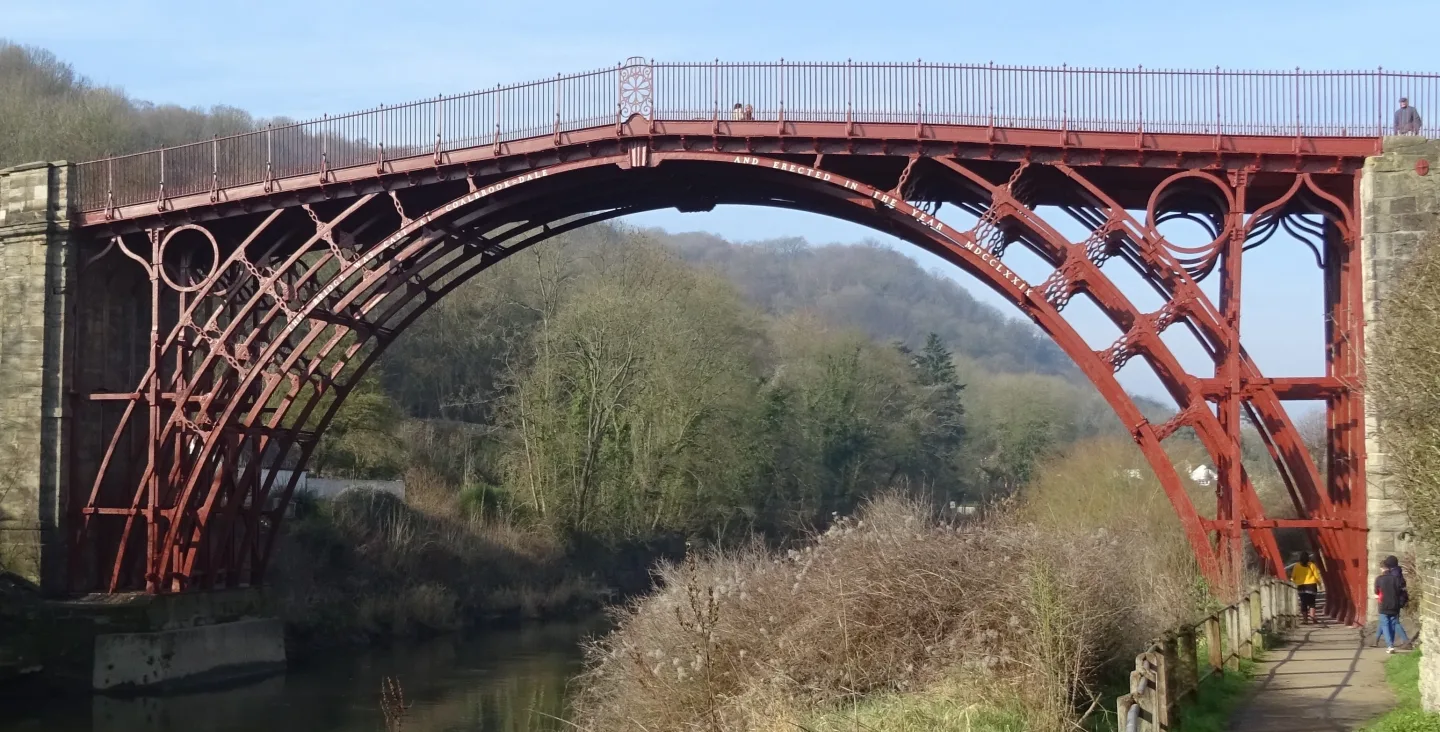
Abraham Darby and Coke Iron Smelting at Coalbrookdale
In 1709 at Coalbrookdale, Abraham Darby pioneered smelting iron ore with purified coal (coke) instead of wood charcoal, opening the way to iron production on a far larger scale.
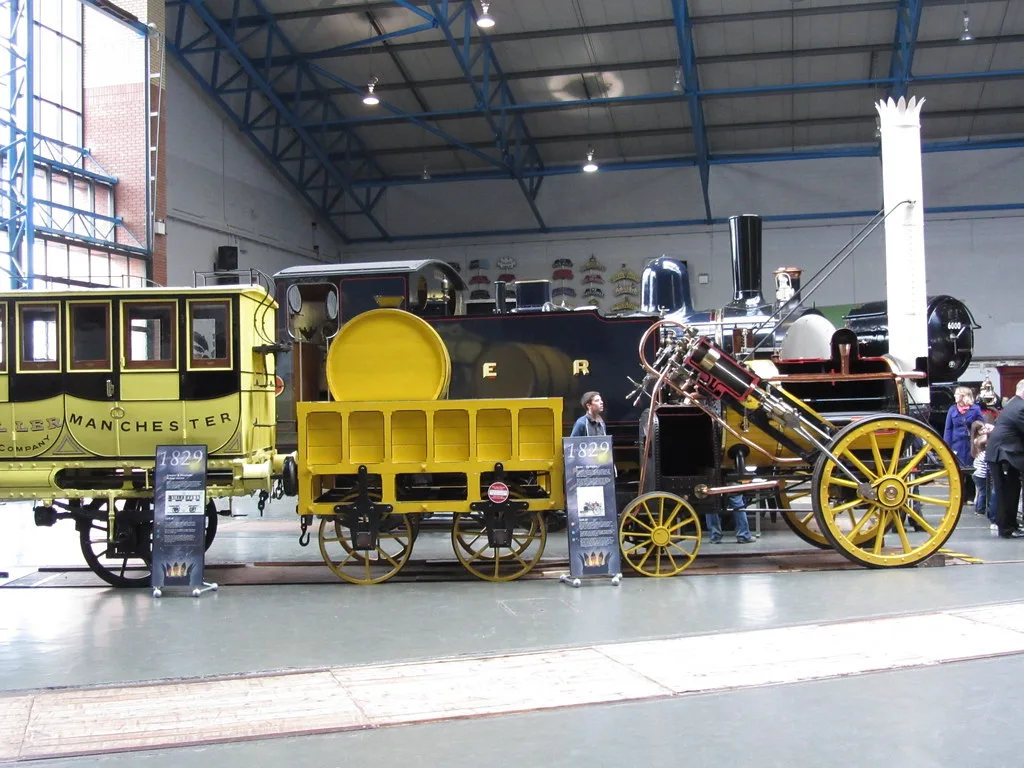
The Liverpool and Manchester Railway of 1830
Opened in 1830 with Robert Stephenson's Rocket among its locomotives, the Liverpool and Manchester Railway inaugurated the global railway age for scheduled passenger and freight transport.
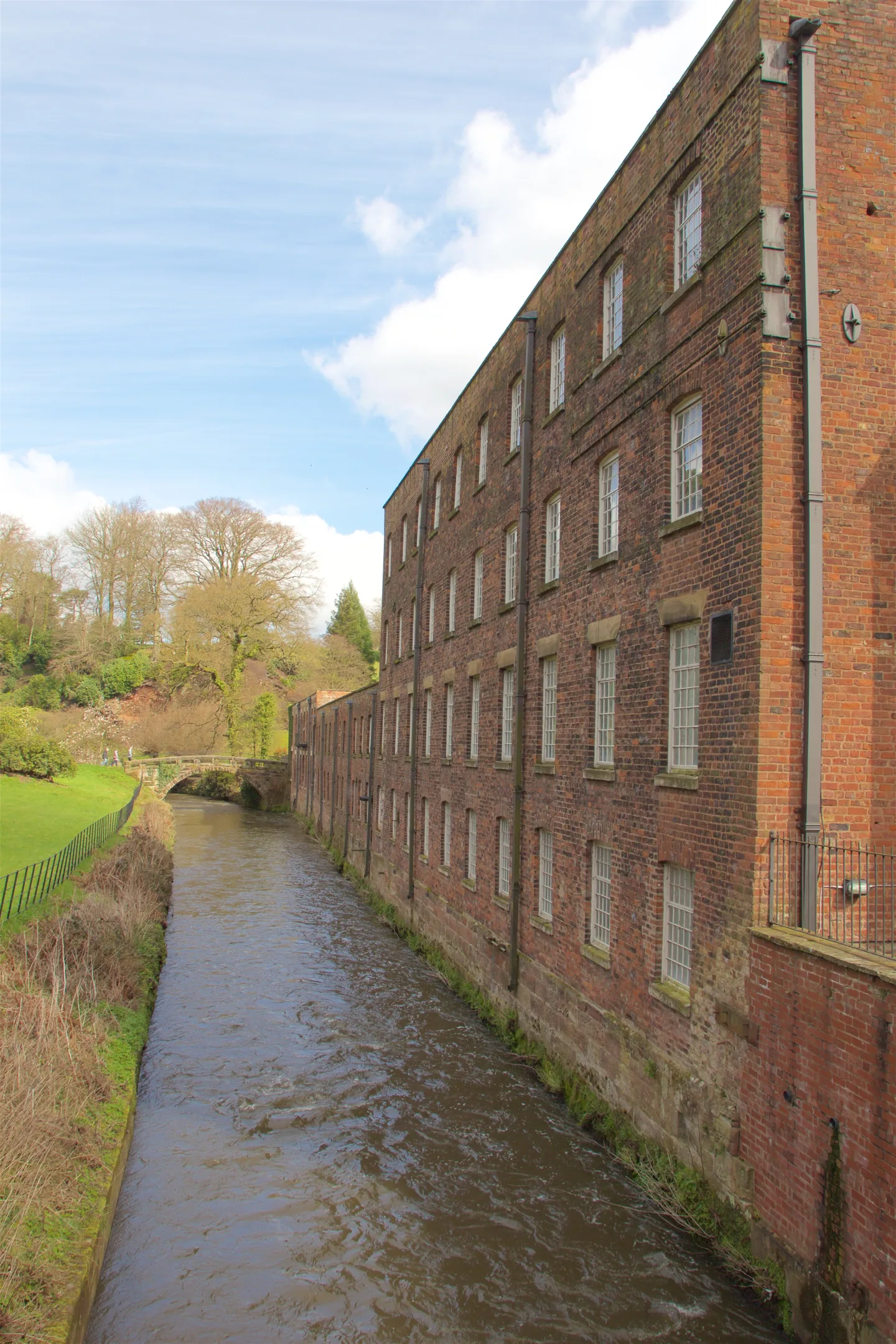
Manchester as the World's First Industrial Shock City
Known as Cottonopolis, 19th-century Manchester mechanized cotton production in multi-story steam mills, creating dense urban working-class neighborhoods and factory discipline.
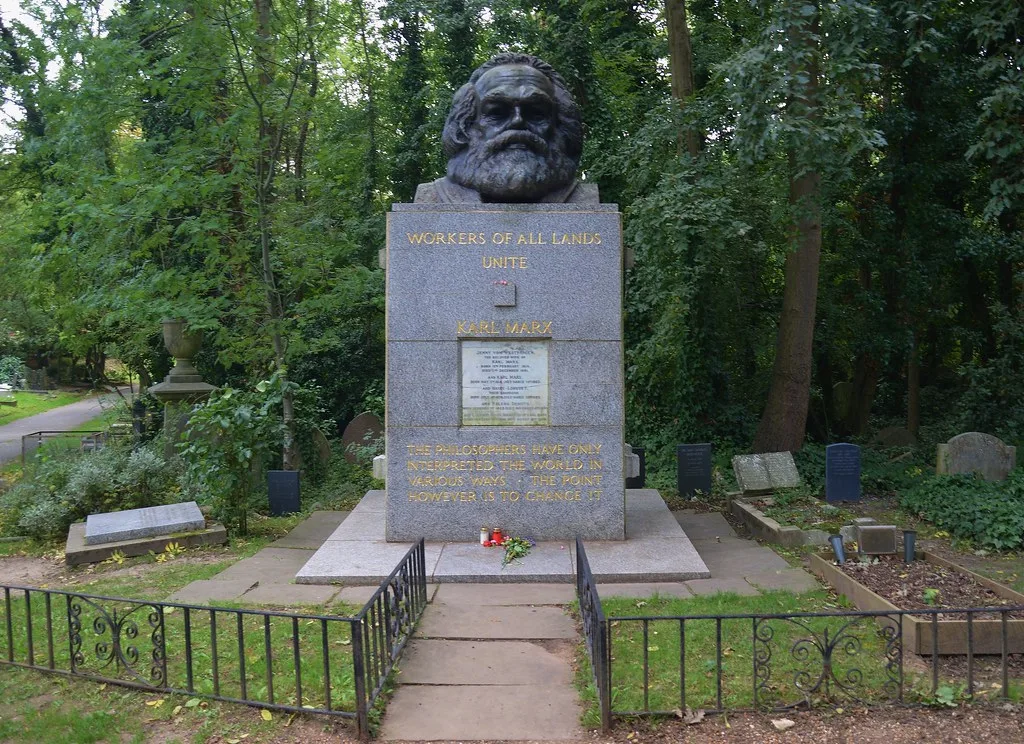
Karl Marx and The Communist Manifesto
In February 1848, Karl Marx and Friedrich Engels published The Communist Manifesto, analyzing historical class struggles and urging the industrial proletariat to unite.
The Berlin Conference and the Scramble for Africa
Convened in 1884–1885 by Bismarck, the Berlin Conference brought together fourteen states, among them the United States and the Ottoman Empire, to set rules for claiming African territory, with no African leaders present.
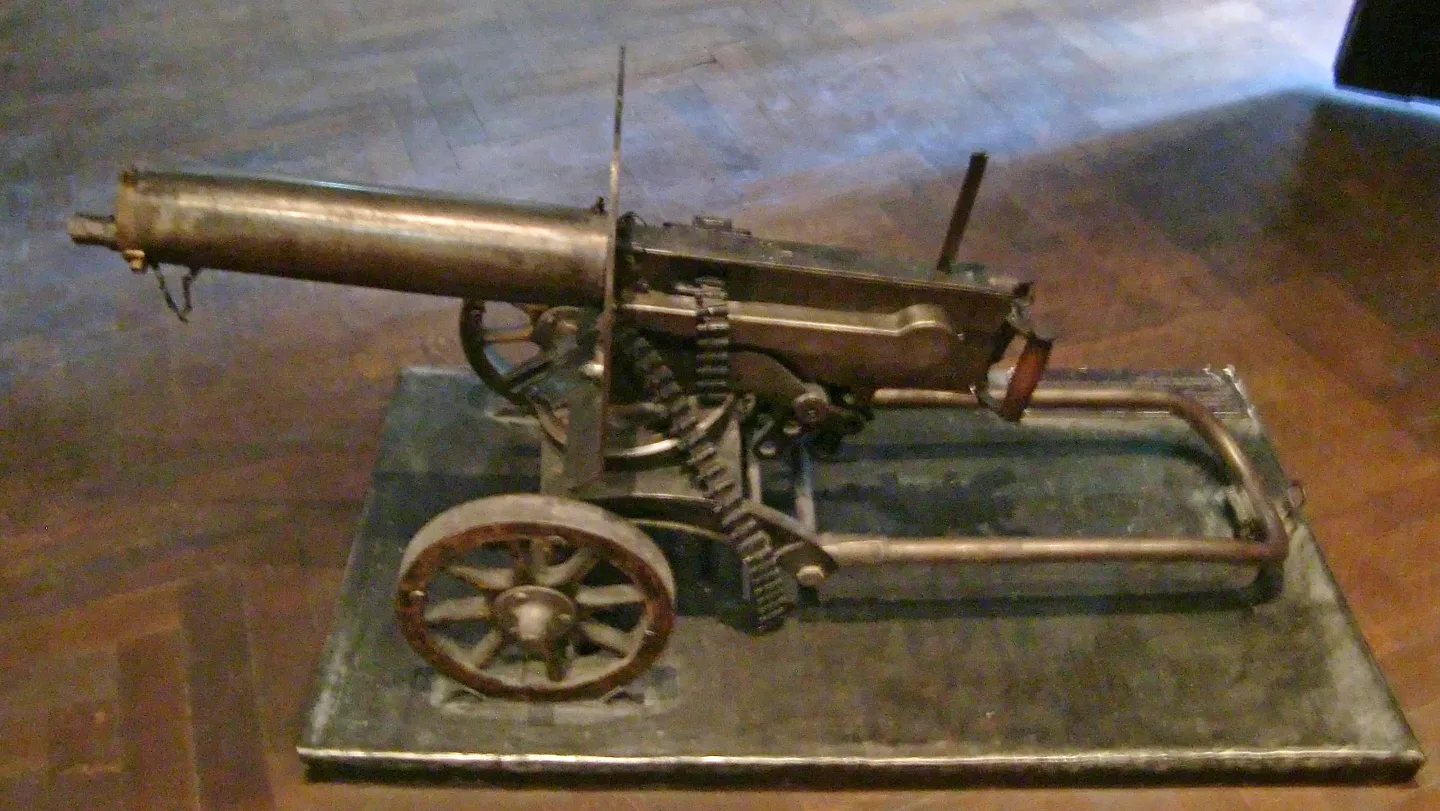
The Maxim Machine Gun and Military Asymmetry
Invented in 1884 by Hiram Maxim, this automatic recoil-operated machine gun firing 600 rounds per minute gave European armies decisive military superiority across Africa and Asia.
King Leopold II and Congo Free State Rubber Extraction
Operating the Congo Free State as personal property from 1885 to 1908, Belgium's King Leopold II used forced labor and mutilation to extract wild rubber; historians estimate the resulting death toll in the millions, though exact figures remain disputed due to incomplete colonial records.
The Opium Wars and the Unequal Treaty of Nanking
Following the First Opium War (1839–1842), Britain forced Qing China to sign the Treaty of Nanking, ceding Hong Kong and opening treaty ports; the supplementary 1843 Treaty of the Bogue then granted Britain extraterritoriality.
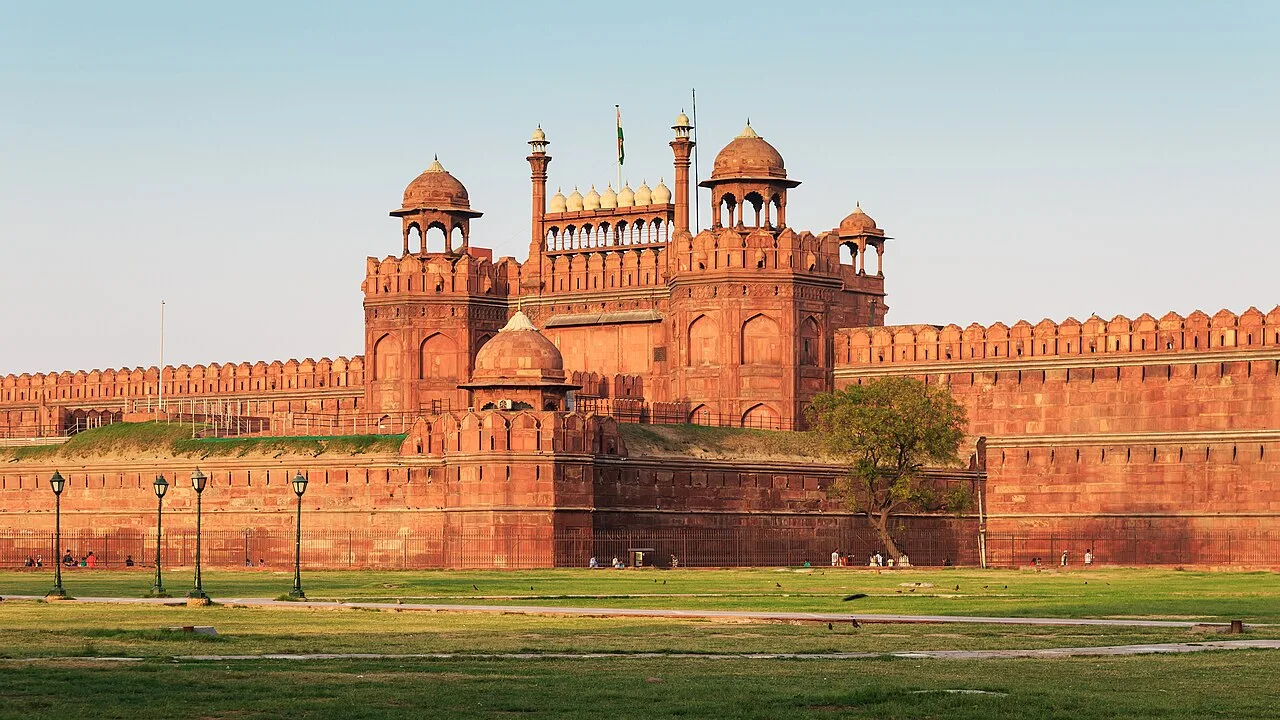
The Indian Rebellion of 1857 and the British Raj
The 1857 Indian Rebellion ended British East India Company rule, as the British Crown took direct control of the Company's Indian territories as the British Raj under Queen Victoria.
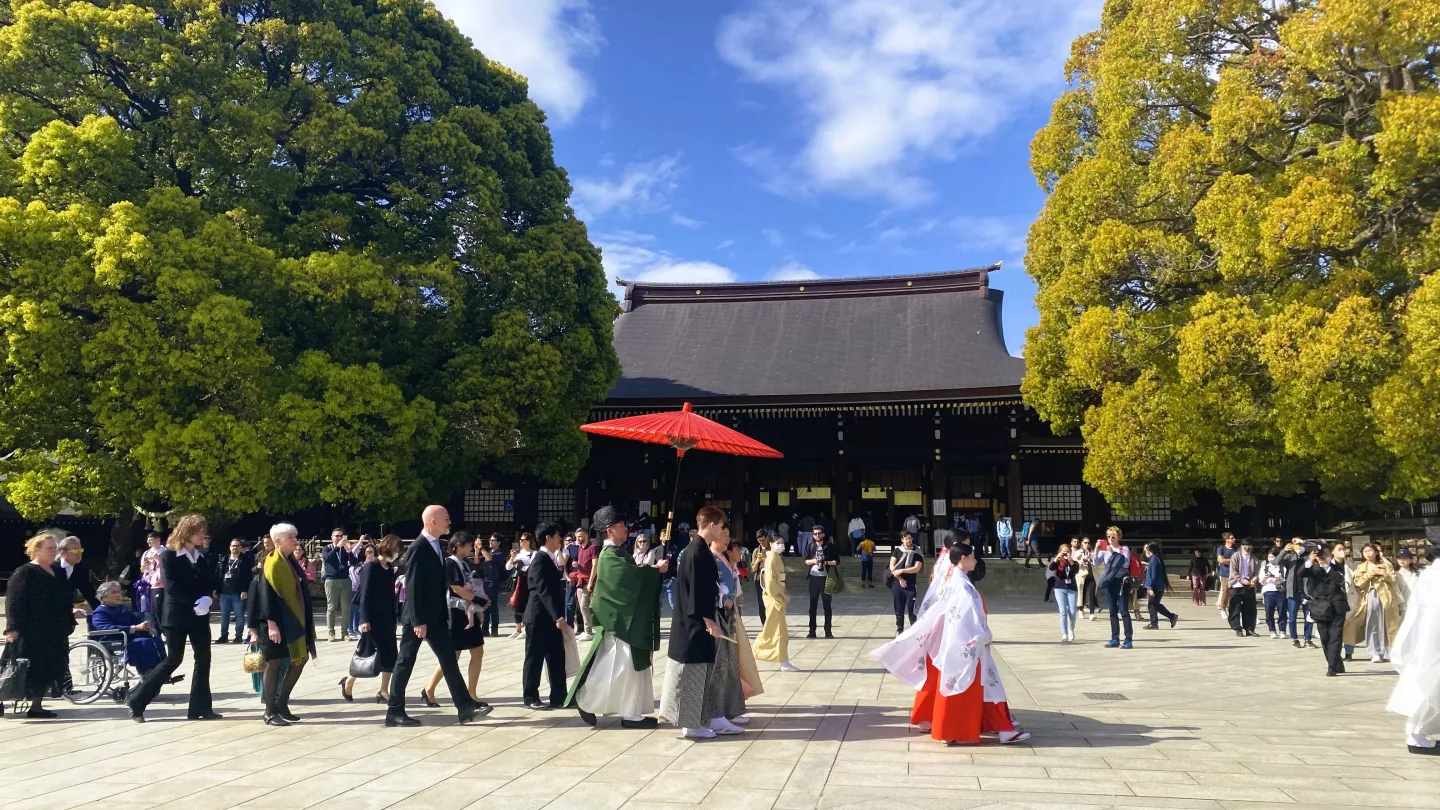
The Meiji Restoration and Japan's Rapid Industrialization
In 1868, Japan abolished the Tokugawa shogunate and restored imperial authority under Emperor Meiji, rapidly adopting Western industry, railroads, and constitutional law.
By the numbers
- In what year CE did the landmark Liverpool and Manchester Railway open for public service in England?
- 1830 CE
- In what year CE was Karl Marx and Friedrich Engels's *The Communist Manifesto* first published in London?
- 1848 CE
- In what year CE did Otto von Bismarck open the Berlin Conference on colonial claims in Africa?
- 1884 CE
- In what year CE was the Meiji Restoration proclaimed, terminating the Tokugawa Shogunate in Japan?
- 1868 CE
Matched pairs
Each item on the left goes with the one on the right.
- Coalbrookdale Iron Bridge
- The first major bridge in the world made of cast iron, erected over the River Severn in Shropshire in 1779
- Stephenson Rocket Engine
- An advanced mobile rail transport unit that won the 1829 Rainhill Trials by demonstrating superior speed and boiler efficiency
- Meiji Jingu Sanctuary
- A forested Tokyo shrine complex dedicated to the deified spirits of the emperor and empress who steered 19th-century state renewal
- Maxim Rapid-Fire Gun
- A water-cooled barrel firearm capable of discharging hundreds of rounds per minute to enforce imperial pacification
Self-test
Answer each question from memory, then check your work against the answer key.
1. What fundamental ecological transition occurred during the Industrial Revolution?
- AA shift away from coal and back toward wind and water power for most factories
- BA steady decline in overseas trade as industries turned to focus only on domestic markets
- CA shift from burning coal to whale oil as the primary fuel for industrial machinery
- DA shift from an organic energy economy (wood, wind, muscle) to a mineral-based fossil energy economy (coal, steam)
2. According to historian Kenneth Pomeranz, what geographic edge let Britain out-industrialize the Yangtze Delta?
- AA tropical climate that permitted four harvests of rice each year
- BThe total absence of any domestic iron ore deposits
- CReadily accessible coal fields located near industrial centers, combined with ghost acres from New World colonies
- DA ban on all foreign trade and isolation from world markets
3. What was the objective of the 19th-century English artisan movement known as the Luddites?
- AThey smashed mechanized textile looms to protest wage cuts and the destruction of their skilled craft livelihood
- BThey organized worker-owned cooperative mills to rival factory owners
- CThey lobbied for higher tariffs on imported foreign cotton textiles
- DThey petitioned Parliament to establish a legally mandated ten-hour work day
4. In Marxist theory, what defines the 'proletariat' class in capitalist industrial society?
- AHereditary feudal landlords who collect land rents in gold coins
- BWage laborers who possess no ownership of the means of production and must sell their labor power to survive
- CMonastic priests who distribute free bread at cathedral gates
- DIndependent merchant princes who own trans-oceanic sailing fleets
5. How did the expansion of railway networks force the standardization of time?
- ARailways required uniform standardized time zones across countries to schedule trains and avoid single-track collisions
- BPassengers were expected to reset their pocket watches at every county border they crossed
- CRailway companies simply let every station keep its own local solar time indefinitely
- DNational governments made local sundials the legal time source for train schedules
6. What innovation did Abraham Darby introduce at Coalbrookdale for iron production?
- ABlowing air through molten pig iron to make steel
- BSmelting iron ore with coke instead of wood charcoal
- CSmelting iron ore with peat instead of wood charcoal
- DPuddling molten pig iron into wrought iron
7. What labor reforms did the British Factory Acts of the 1830s and 1840s put in place?
- AMandating that children work sixteen-hour night shifts in coal mines
- BBarring all married women from holding any paid employment whatsoever
- CRestricting child labor hours, mandating basic schooling, and appointing factory inspectors
- DGuaranteeing every factory worker a government-funded retirement pension
8. What innovation did James Watt introduce to the steam engine in 1769?
- AA cast-iron cylinder liner that reduced piston friction and wear
- BA larger cylinder bore that increased the engine's raw horsepower output
- CA pressure relief valve designed to prevent boiler explosions
- DA separate condenser that improved thermal efficiency
9. What did James Watt's steam engine convert fossilized coal energy into?
- ADirect steam locomotion for early passenger railway trains
- BContinuous rotary mechanical power for factory machinery
- CHydraulic pressure for operating dockside cranes
- DElectric current for lighting factory floors
10. How did the Maxim gun symbolize the technological asymmetry of late 19th-century imperialism?
- AIt allowed small European forces to defeat vast indigenous armies through rapid automatic firepower
- BIt was mounted only on river steam gunboats and was never carried by infantry on land
- CIt jammed so often in humid tropical climates that colonial forces rarely deployed it
- DIt was primarily used to lay telegraph cable across colonial territories
11. What brutal disciplinary method was routinely used by Leopold II's *Force Publique* in the Congo?
- AConfiscating and selling off a village's livestock as collective punishment
- BFining village chiefs a share of the harvest for missed rubber quotas
- CSevering the hands of Congolese villagers and rubber collectors who failed to meet harvest quotas
- DExiling entire villages to remote labor camps for repeated quota failures
12. How did the medical use of quinine facilitate European colonization of tropical Africa?
- AIt was administered mainly to prevent scurvy among sailors on long sea voyages
- BIt functioned as a general anesthetic used before field amputations
- CIt was used mainly to prevent dysentery among colonial troops
- DIt provided medical prophylaxis against malaria, drastically reducing European mortality in the interior
13. Why did British merchants smuggle East India Company opium from Bengal into Qing Dynasty China?
- ATo help fund British purchases of Chinese porcelain and lacquerware
- BTo reverse a severe trade deficit caused by massive British demand for Chinese tea and silk
- CTo undercut rival French silk merchants trading at Canton
- DTo repay war debts the East India Company incurred fighting the Anglo-Maratha Wars in India
14. What constitutional and military model did Meiji Japan adopt during its modernization drive?
- AA decentralized feudal system governed entirely by Buddhist abbots
- BAn absolute direct democracy where all citizens voted on every judicial verdict
- CA total pacifist state that banned all iron weapons and swords
- DA Prussian-style authoritarian constitutional monarchy combined with universal military conscription
15. Under what justification did European powers extract rubber, palm oil, copper, and diamonds from partitioned Africa?
- AThe Divine Right of Kings
- BManifest Destiny
- CThe Civilizing Mission
- DThe Social Contract
16. What ended East India Company rule and brought its Indian territories under direct British Crown control in 1858?
- AThe Indian Rebellion of 1857
- BThe Second Anglo-Sikh War of 1848-49
- CThe First Opium War of 1839-1842
- DThe Battle of Plassey in 1757
Go deeper
- WatchSteam Set the Clock In 1769, James Watt patented a better steam engine. It turned coal into steady, turning power.
- WatchFourteen Powers, No Africans Steam gunboats, telegraph cables and quinine against malaria gave industrial powers a huge military edge.
- WatchCoal and Ghost Acres Why did industrialization begin in Britain, not China's Yangtze Delta? It is still debated.
- StudyWorld History: Turning Points of Human Civilization in the FlashFeed app
Answer key
- 1. D A shift from an organic energy economy (wood, wind, muscle) to a mineral-based fossil energy economy (coal, steam)The Industrial Revolution broke through biological energy ceilings by tapping vast sub-surface reserves of stored solar energy in the form of fossil coal deposits.
- 2. C Readily accessible coal fields located near industrial centers, combined with ghost acres from New World coloniesPomeranz argued that Britain benefited from coal deposits near its industrial centers and the 'ghost acres' of raw materials from the Americas, whereas China's largest coalfields lay far away in the northwest.
- 3. A They smashed mechanized textile looms to protest wage cuts and the destruction of their skilled craft livelihoodLuddites were skilled hand-loom weavers and artisans who destroyed mechanized shearing frames and power looms that were impoverishing them and degrading workplace autonomy.
- 4. B Wage laborers who possess no ownership of the means of production and must sell their labor power to surviveMarx defined the proletariat as the propertyless wage-earning working class who own only their labor power, which they must sell to capitalist factory owners (*bourgeoisie*).
- 5. A Railways required uniform standardized time zones across countries to schedule trains and avoid single-track collisionsBefore railways, each town set clocks to local solar noon; railway scheduling made synchronized 'Railway Time' (Greenwich Mean Time) essential to prevent deadly head-on train collisions.
- 6. B Smelting iron ore with coke instead of wood charcoalAt Coalbrookdale, Abraham Darby smelted iron ore with coke (purified coal) instead of wood charcoal, opening the way for Britain to make iron on a far larger scale.
- 7. C Restricting child labor hours, mandating basic schooling, and appointing factory inspectorsThe Factory Act of 1833 and Ten Hours Act of 1847 regulated textile employment, prohibiting children under nine from textile work and limiting workdays for adolescents and women.
- 8. D A separate condenser that improved thermal efficiencyWatt's 1769 patent added a separate condenser, sharply raising the steam engine's thermal efficiency over earlier designs.
- 9. B Continuous rotary mechanical power for factory machineryWatt's first engines pumped water from mines; with the sun and planet gear of 1781 his engines gave continuous rotary power that drove factory machinery.
- 10. A It allowed small European forces to defeat vast indigenous armies through rapid automatic firepowerThe Maxim machine gun allowed tiny European colonial contingents to slaughter large indigenous armies armed with spears or muskets, as at the 1898 Battle of Omdurman.
- 11. C Severing the hands of Congolese villagers and rubber collectors who failed to meet harvest quotasKing Leopold's private army enforced wild rubber quotas through terror, holding women hostage and severing the right hands of dead and living Congolese victims as proof of cartridge usage.
- 12. D It provided medical prophylaxis against malaria, drastically reducing European mortality in the interiorExtracted from the bark of the South American cinchona tree, regular doses of quinine protected Europeans from lethal malaria, opening the previously fatal African interior to conquest.
- 13. B To reverse a severe trade deficit caused by massive British demand for Chinese tea and silkBritain's demand for Chinese tea drained silver reserves; the East India Company held a monopoly on Bengal opium production and auctioned it to private British merchants, who smuggled it into China, reversing the outflow of silver back to Britain.
- 14. D A Prussian-style authoritarian constitutional monarchy combined with universal military conscriptionThe 1889 Meiji Constitution drew heavily upon Imperial Germany's model, investing sacred sovereignty in the Emperor while establishing a modern Diet, bureaucracy, and conscript army.
- 15. C The Civilizing MissionEuropean powers presented African colonization as a 'Civilizing Mission' while extracting rubber, palm oil, copper, and diamonds; Manifest Destiny justified American westward expansion, the Divine Right of Kings upheld royal power, and the Social Contract grounded government in consent.
- 16. A The Indian Rebellion of 1857Following the 1857 Indian Rebellion (Sepoy Mutiny), the British Crown ended East India Company rule and took direct control of its Indian territories as the British Raj.
Sources
- Great Divergence — Wikipedia; Kenneth Pomeranz, The Great Divergence: China, Europe, and the Making of the Modern World Economy; Kenneth Pomeranz, The Great Divergence — en.wikipedia.org/wiki/Great_Divergence
- "Ghost Acres," Virtual Landscapes, and the Industrial Revolution — Victorian Web — victorianweb.org/economics/ridley3.html
- Luddite — Wikipedia; E.P. Thompson, The Making of the English Working Class — en.wikipedia.org/wiki/Luddite
- Factory Acts — Wikipedia — en.wikipedia.org/wiki/Factory_Acts
- Railway time — Wikipedia — en.wikipedia.org/wiki/Railway_time
- Standard time — Wikipedia; Christian Wolmar, Blood, Iron and Gold — en.wikipedia.org/wiki/Standard_time
- First Opium War — Wikipedia; Julia Lovell, The Opium War — en.wikipedia.org/wiki/First_Opium_War
- Meiji Constitution — Wikipedia; Marius B. Jansen, The Making of Modern Japan — en.wikipedia.org/wiki/Meiji_Constitution
- Battle of Adwa — Wikipedia — en.wikipedia.org/wiki/Battle_of_Adwa
- Scramble for Africa — Wikipedia; Thomas Pakenham, The Scramble for Africa; Scramble for Africa (Wikipedia) — en.wikipedia.org/wiki/Scramble_for_Africa
- E.A. Wrigley, Energy and the English Industrial Revolution — en.wikipedia.org/wiki/Watt_steam_engine
- Peter Mathias, The First Industrial Nation — en.wikipedia.org/wiki/Coalbrookdale
- Christian Wolmar, Blood, Iron and Gold: How the Railroads Transformed the World; Christian Wolmar, Blood, Iron and Gold — en.wikipedia.org/wiki/Liverpool_and_Manchester_Railway
- Friedrich Engels, The Condition of the Working Class in England (1845); Friedrich Engels, The Condition of the Working Class in England — en.wikipedia.org/wiki/Cottonopolis
- Karl Marx and Friedrich Engels, The Communist Manifesto (1848); Karl Marx and Friedrich Engels, The Communist Manifesto — en.wikipedia.org/wiki/The_Communist_Manifesto
- David S. Landes, The Unbound Prometheus — en.wikipedia.org/wiki/Spinning_jenny
- David S. Landes, The Unbound Prometheus; E.A. Wrigley, Energy and the English Industrial Revolution — en.wikipedia.org/wiki/Industrial_Revolution
- E.A. Wrigley, Energy and the English Industrial Revolution — en.wikipedia.org/wiki/Steam_engine
- E.P. Thompson, The Making of the English Working Class — en.wikipedia.org/wiki/Factory_system
- Karl Marx, Das Kapital (1867) — en.wikipedia.org/wiki/Marxian_economics
- Peter Mathias, The First Industrial Nation — en.wikipedia.org/wiki/Factory_Acts_(United_Kingdom)
- E.A. Wrigley, Energy and the English Industrial Revolution — en.wikipedia.org/wiki/James_Watt
- Peter Mathias, The First Industrial Nation — en.wikipedia.org/wiki/The_Iron_Bridge
- Christian Wolmar, Blood, Iron and Gold — en.wikipedia.org/wiki/Stephenson%27s_Rocket
- David S. Landes, The Unbound Prometheus — en.wikipedia.org/wiki/Division_of_labour
- E.A. Wrigley, Energy and the English Industrial Revolution — en.wikipedia.org/wiki/Fossil_fuel
- Thomas Pakenham, The Scramble for Africa 1876–1912; Thomas Pakenham, The Scramble for Africa — en.wikipedia.org/wiki/Berlin_Conference
- John Ellis, The Social History of the Machine Gun — en.wikipedia.org/wiki/Maxim_gun
- Adam Hochschild, King Leopold's Ghost: A Story of Greed, Terror, and Heroism in Colonial Africa — en.wikipedia.org/wiki/Congo_Free_State
- Julia Lovell, The Opium War: Drugs, Dreams, and the Making of Modern China; Julia Lovell, The Opium War — en.wikipedia.org/wiki/Treaty_of_Nanking
- William Dalrymple, The Last Mughal: The Fall of a Dynasty, Delhi, 1857 — en.wikipedia.org/wiki/Indian_Rebellion_of_1857
- Marius B. Jansen, The Making of Modern Japan — en.wikipedia.org/wiki/Meiji_Restoration
- Julia Lovell, The Opium War — en.wikipedia.org/wiki/Unequal_treaty
- Adam Hochschild, King Leopold's Ghost — en.wikipedia.org/wiki/Atrocities_in_the_Congo_Free_State
- Daniel R. Headrick, The Tools of Empire: Technology and European Imperialism in the Nineteenth Century — en.wikipedia.org/wiki/Quinine
- Adam Hochschild, King Leopold's Ghost — en.wikipedia.org/wiki/Leopold_II_of_Belgium
- Marius B. Jansen, The Making of Modern Japan — en.wikipedia.org/wiki/Emperor_Meiji
- Marius B. Jansen, The Making of Modern Japan — en.wikipedia.org/wiki/Meiji_Shrine
- Julia Lovell, The Opium War — en.wikipedia.org/wiki/Extraterritoriality
Image credits
- Abraham Darby and Coke Iron Smelting at Coalbrookdale: Wikimedia Commons · Tk420 · CC BY-SA 4.0 — commons.wikimedia.org/wiki/File:Iron_Bridge_east_side_in_February_2019_(cropped).jpg
- The Liverpool and Manchester Railway of 1830: The Basingstoker's (Openverse) · by-sa 2.0 — www.flickr.com/photos/15507655@N05/7354203388
- Manchester as the World's First Industrial Shock City: Wikimedia Commons · Mike Peel (www.mikepeel.net) · CC BY-SA 4.0 — commons.wikimedia.org/wiki/File:Quarry_Bank_Mill_2016_020.jpg
- Karl Marx and The Communist Manifesto: barry.marsh1944 (Openverse) · pdm 1.0 — www.flickr.com/photos/126409951@N04/21438283722
- The Maxim Machine Gun and Military Asymmetry: Wikimedia Commons · Jonathan Cardy · CC BY-SA 3.0 — commons.wikimedia.org/wiki/File:Maxim_gun,_Georgian_national_museum.JPG
- The Indian Rebellion of 1857 and the British Raj: A.Savin · FAL — commons.wikimedia.org/wiki/File:Red_Fort_in_Delhi_03-2016_img3.jpg
- The Meiji Restoration and Japan's Rapid Industrialization: Wikimedia Commons · Akonnchiroll · CC BY-SA 4.0 — commons.wikimedia.org/wiki/File:Meiji_Jingu_2023-3.jpg


