
World History: Turning Points of Human Civilization study guide · Lesson 9 of 13
The Age of Revolutions and Popular Sovereignty
Atlantic Revolutions, Rights of Man, and Constitutionalism · The Haitian Revolution, Universal Emancipation, and Latin American Independence
This is the lesson's study guide from the FlashFeed app, plus its key facts and a self-test.
What you'll be able to do
- Describe how Enlightenment ideas of natural rights, the social contract, and popular sovereignty shaped the American and French Revolutions.
- Analyze the Haitian Revolution as the first successful slave rebellion creating a sovereign state and describe the Latin American independence wars.
Between 1775 and 1848, a wave of political upheavals swept the Atlantic world, dismantling absolute monarchies, colonial empires, and hereditary privilege. Guided by Enlightenment concepts of Natural Rights, Popular Sovereignty, and the Social Contract, revolutionaries in North America, France, Haiti, and Latin America established modern constitutional republics.
Atlantic Revolutions, Rights of Man, and Constitutionalism
The revolutionary era opened with the American Revolution. In July 1776, the Continental Congress adopted the United States Declaration of Independence, drafted primarily by Thomas Jefferson. Drawing upon John Locke's political philosophy, the document declared that all human beings possess unalienable rights to life, liberty, and the pursuit of happiness, and that governments derive their just powers from the consent of the governed.
Before 1789 French society was divided into three Estates: the clergy (First Estate), the titled nobility (Second Estate), and the Third Estate of all other subjects, from peasants to the urban bourgeoisie. The nobility was exempt from most taxes, so the heaviest burden fell on the Third Estate.
In France, severe fiscal crisis and social inequality between the Estates catalyzed the French Revolution in 1789. On June 20, representatives of the Third Estate swore the Tennis Court Oath (Serment du Jeu de Paume), refusing to disband until drafting a written constitution. On July 14, Parisian citizens stormed the Bastille fortress, destroying the symbol of Bourbon absolutism. In August 1789, the National Assembly adopted the Declaration of the Rights of Man and of the Citizen, proclaiming liberty, equality, property, and freedom of speech as universal human rights. During the radical phase of the revolution (1793–1794), Maximilien Robespierre and the Committee of Public Safety instituted the Reign of Terror, executing thousands via the guillotine to purge counter-revolutionaries.
The Revolution had also changed how France executed people. Before 1789 nobles were beheaded with a sword or an axe, often needing two or more blows, while commoners were usually hanged, which could take many minutes. In October 1789 the physician Joseph-Ignace Guillotin proposed that every execution take the form of decapitation by a simple mechanism, and in 1791 the National Assembly sought one method for all condemned people regardless of class. The guillotine, considered a humane form of execution, was first used in April 1792. In a February 1794 speech Robespierre defended the Terror as "nothing other than justice, prompt, severe, inflexible" and so "an emanation of virtue": in a revolution, popular government rests on "virtue, without which terror is fatal; terror, without which virtue is powerless."
The radical ideals of the revolution also inspired early feminist philosophy. In England, Mary Wollstonecraft published A Vindication of the Rights of Woman (1792), arguing that women are not naturally inferior to men but appear so solely due to systematic educational deprivation.
The Haitian Revolution, Universal Emancipation, and Latin American Independence
In 1791, the French Caribbean colony of Saint-Domingue—the world's most lucrative sugar producer, which by 1789 supplied roughly half of the sugar and coffee consumed in Europe and the Americas—erupted in the Haitian Revolution. Tradition holds that the revolt was planned at a Vodou ceremony at Bois Caïman, and enslaved Africans launched a massive armed rebellion against plantation owners. Under the brilliant military and political leadership of Toussaint Louverture, the insurgent army beat Spain's forces and fought the British until they agreed to leave in 1798; by 1801 Toussaint governed the whole island.
After Napoleon Bonaparte dispatched a massive fleet under General Charles Leclerc to regain French control of the colony (historians debate whether Napoleon intended from the start to restore slavery there), the French seized Toussaint by deception in 1802, and he died in a French prison the next year. Haitian forces commanded by Jean-Jacques Dessalines then defeated the French at the decisive Battle of Vertières (1803). On January 1, 1804, Dessalines proclaimed the independence of Haiti, establishing the world's first independent Black republic and the only nation in history founded through a successful slave revolution that achieved universal emancipation.
Across Spanish America, Napoleon's invasion of Spain in 1808 created a crisis of imperial legitimacy, igniting widespread independence wars. Venezuelan leader Simón Bolívar ("The Liberator") set out the case for Spanish American independence in his 1815 Letter from Jamaica and led liberation armies across Venezuela, Colombia, Ecuador, Peru, and Bolivia. With Bolívar as president, the liberated north was united as Gran Colombia (1819–1831), a republic that included present-day Colombia, Venezuela, Ecuador and Panama before it split into separate states. In the south, José de San Martín aimed at Lima, the royalist stronghold of Spain's Viceroyalty of Peru, but two campaigns through the harsh terrain of Upper Peru had already been defeated. He instead led the daring 1817 Crossing of the Andes, liberating Chile, and in August 1820 his fleet sailed from Chile to Peru, where independence was declared on 28 July 1821. These struggles added momentum to the global nineteenth-century campaign for the Abolition of Slavery, culminating in Britain's 1833 Slavery Abolition Act, the American Emancipation Proclamation (1863), and Brazil's Lei Áurea (1888).
Formerly enslaved writers gave the British campaign first-hand testimony. Olaudah Equiano, who said he was kidnapped as a child and carried across the Atlantic on a slave ship, described his voyage and the brutality of plantation slavery in his 1789 autobiography, The Interesting Narrative. It went through nine editions in his lifetime and is credited with helping shift British opinion toward the Slave Trade Act of 1807.
Key terms
- Natural Rights
- Fundamental universal rights—including life, liberty, and bodily security—believed to belong innately to all human beings by virtue of human nature, independent of any statutory government legislation.
- Manumission
- The formal legal act by an enslaver freeing an enslaved person from bondage, either through voluntary deed, testamentary will, or self-purchase.
Key concepts
Declaration of the Rights of Man
- Core human civil rights charter adopted by the French National Constituent Assembly in August 1789
- An early draft was prepared by the Marquis de Lafayette in consultation with Thomas Jefferson, but the final adopted text was principally written by Abbé Sieyès and Mirabeau
- Asserted that sovereignty resides in the nation and that liberty consists of the ability to do anything that harms no one else
Popular Sovereignty
- The political principle that the authority of a state and its government are created and sustained by the consent of its people
- Overthrew the doctrine of the Divine Right of Kings, vesting ultimate supreme power in the citizenry
- Formed the theoretical foundation of the American, French, and Latin American constitutional revolutions
French Revolution
- Watershed political and social conflict spanning 1789 to 1799 in France
- Abolished feudal estates, executed King Louis XVI, and dismantled absolute monarchical rule
- Spread modern nationalism, liberal jurisprudence, and secular civic institutions across continental Europe
Social Contract
- Philosophical concept that legitimate political authority arises from an implicit covenant among individuals
- Articulated by Hobbes, Locke, and Rousseau, establishing that citizens surrender some autonomy in return for security of natural rights
- In Locke's version, justified the right of citizens to alter or abolish governments that breach their protective obligations
Haitian Revolution
- Twelve-year anti-slavery and anti-colonial insurrection in the French Caribbean colony of Saint-Domingue (1791–1804)
- The only slave revolt in human history that successfully overthrew colonial masters and founded a sovereign state
- Abolished chattel slavery universally and established Haiti as the first independent republic in Latin America
Toussaint Louverture
- Formerly enslaved coachman who became the most prominent leader of the Haitian Revolution
- Promulgated the 1801 Constitution of Saint-Domingue, which abolished slavery forever but also made him governor for life
- Captured by French deception in 1802 and died imprisoned in Fort de Joux in the Jura mountains
Simón Bolívar
- Venezuelan military and political strategist who spearheaded the emancipation of northern South America
- President of Gran Colombia (1819–1830), envisioning a grand union of Spanish American nations
- Authored the influential *Jamaica Letter* (1815), setting out the case for Spanish American independence
Abolitionism
- International political and social movement dedicated to eradicating the transatlantic slave trade and chattel slavery
- Combined moral boycotts, petitions, legal action, and enslaved rebellions (such as the 1831 Baptist War in Jamaica)
- Achieved legislative abolition of the slave trade, then of slavery itself, across European empires and the Americas between 1807 and 1888
Key facts
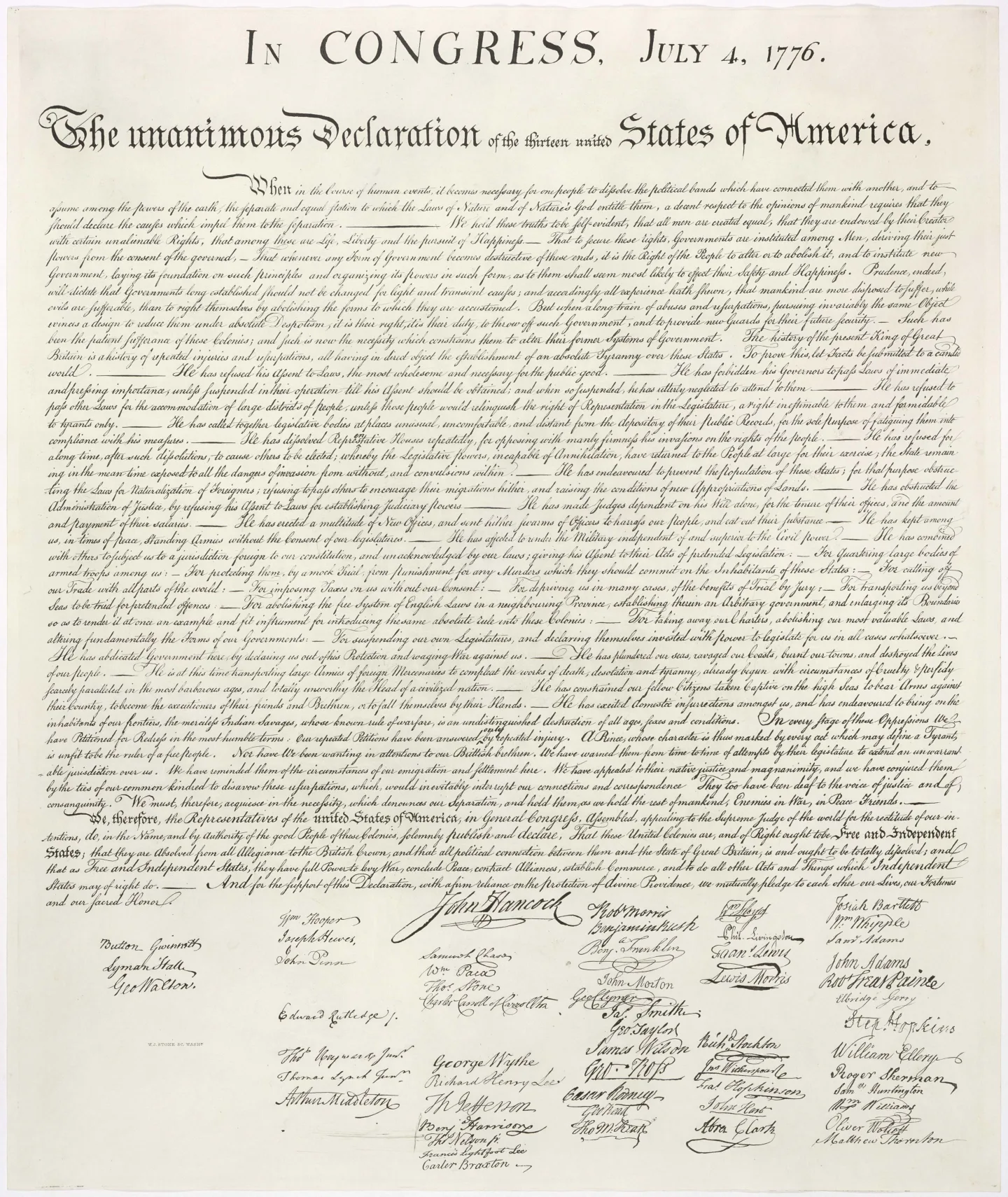
The American Declaration of Independence
Adopted on July 4, 1776, the US Declaration of Independence established popular sovereignty by declaring that governments derive their just powers from the consent of the governed.
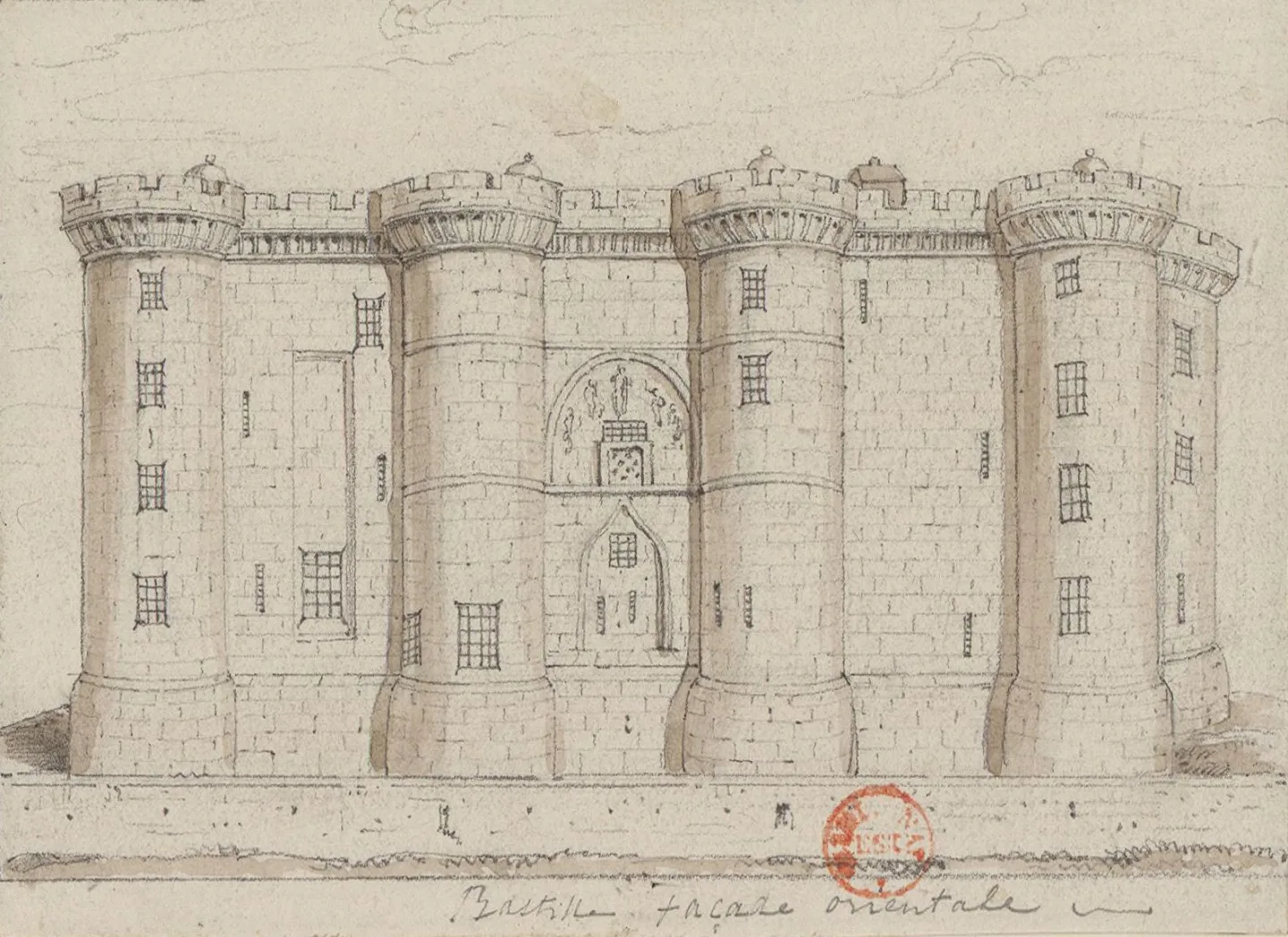
The Storming of the Bastille on July 14, 1789
On July 14, 1789, Parisian insurgents stormed the medieval royal fortress and prison of the Bastille, signaling the violent overthrow of Bourbon absolutist rule.

The Tennis Court Oath of the Third Estate
On June 20, 1789, locked out of their meeting hall, delegates of the Third Estate gathered on an indoor tennis court at Versailles, swearing not to separate until framing a national constitution.
Mary Wollstonecraft and Equal Rights for Women
In 1792, Mary Wollstonecraft published A Vindication of the Rights of Woman, arguing that gender inequality stems from systematic educational deprivation rather than natural inferiority.
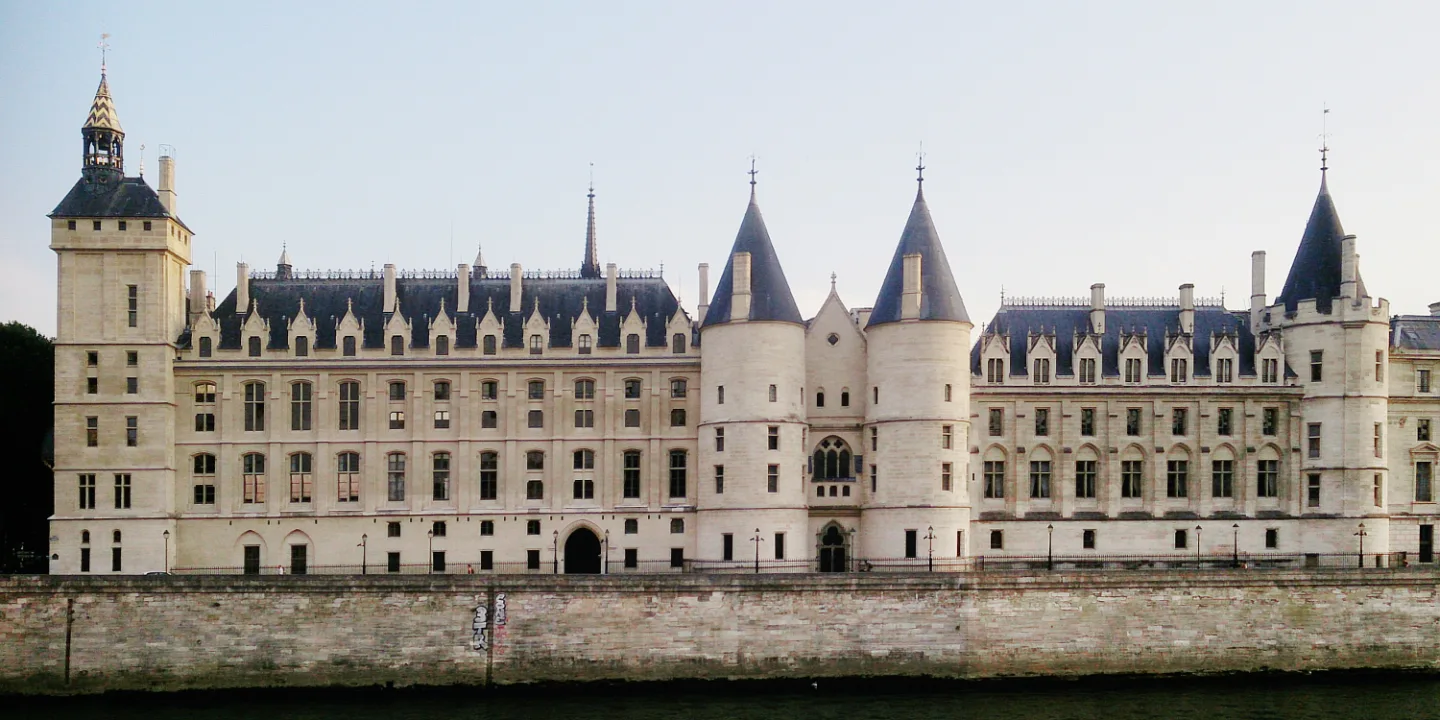
The Reign of Terror and the Committee of Public Safety
Between 1793 and 1794, the revolutionary Jacobin regime led by Maximilien Robespierre handed down over 16,000 official death sentences by guillotine, part of a wider Terror in which tens of thousands more died in summary killings or in custody, to protect the French Republic.
The Bois Caïman Ceremony and Outbreak of the Haitian Revolution
In August 1791, a Vodou ceremony traditionally led by Dutty Boukman and Cécile Fatiman at Bois Caïman helped ignite Saint-Domingue's slave rebellion, though no firsthand accounts of the event survive.
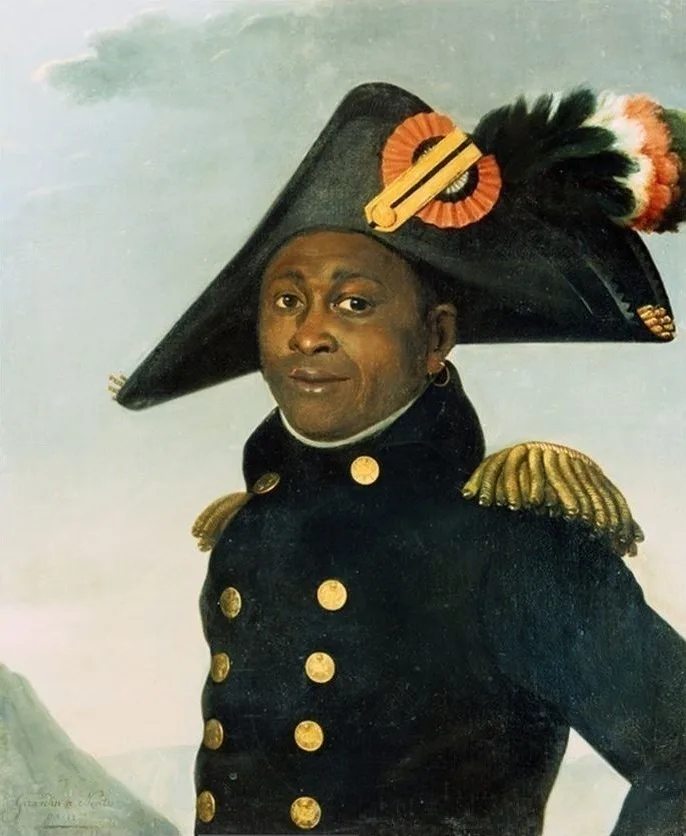
Toussaint Louverture's Military and Political Leadership
A formerly enslaved coachman, Toussaint Louverture built rebel bands into a disciplined army that beat Spain's forces and fought the British until they agreed to leave in 1798. By 1801 he governed the whole island.
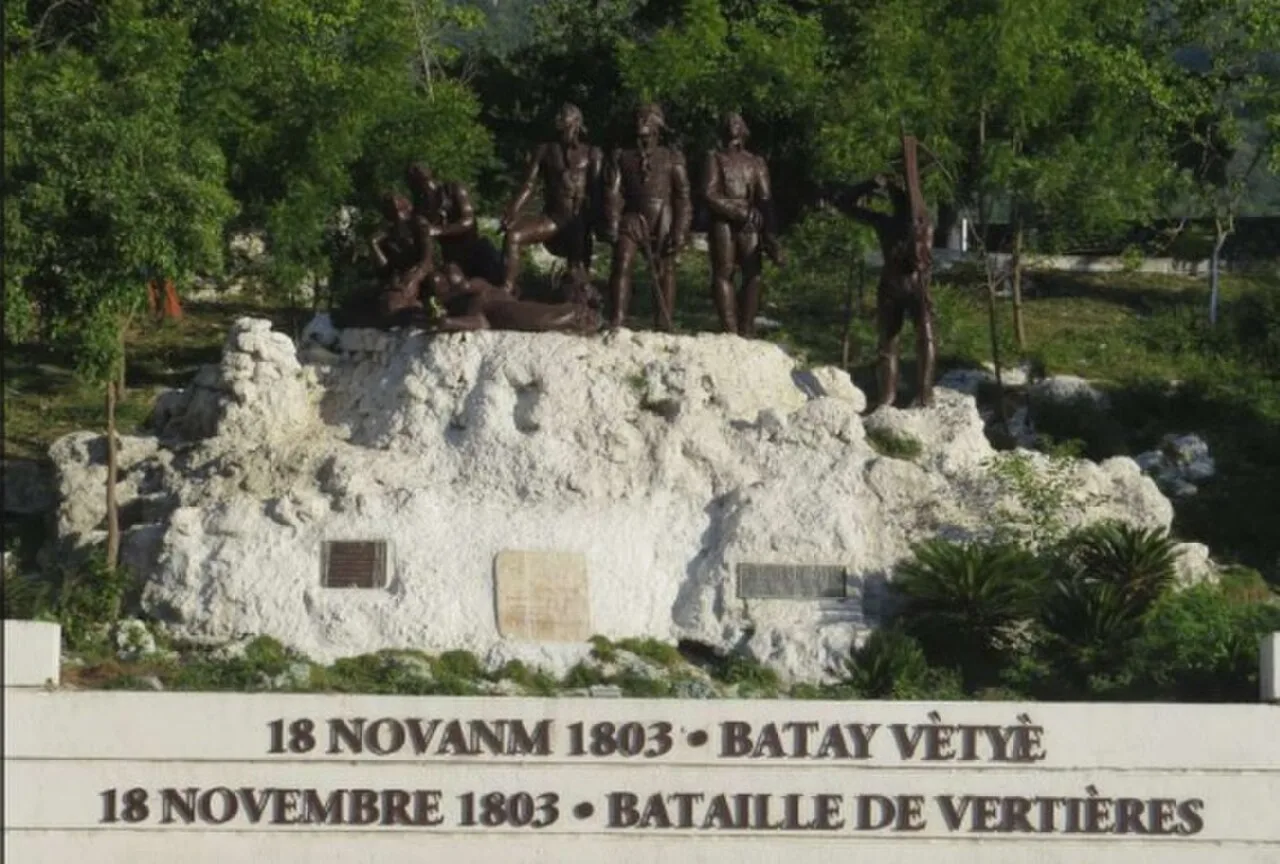
The Battle of Vertières and Haitian Independence in 1804
On November 18, 1803, Haitian forces under General Jean-Jacques Dessalines defeated Napoleon's army at Vertières, leading to Dessalines's declaration of Haiti's independence on January 1, 1804.
Simón Bolívar and the Liberation of South America
Known as El Libertador, Simón Bolívar led military campaigns that liberated Venezuela, Colombia, Ecuador, Peru, and Bolivia from Spanish colonial dominion.
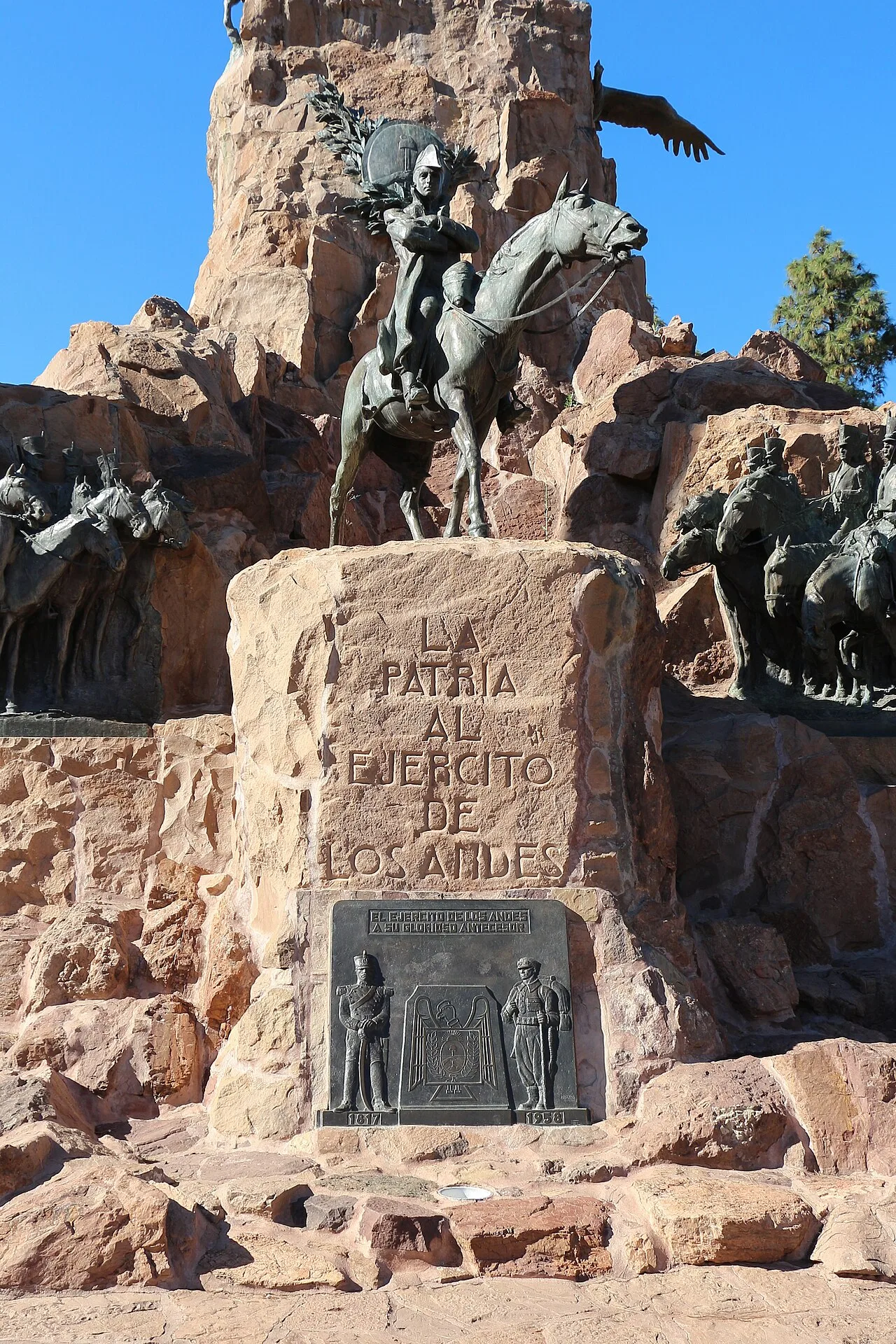
José de San Martín's Epic Crossing of the Andes
In 1817, General José de San Martín led the Army of the Andes across Andean passes at heights averaging 3,000 meters to liberate Chile from Spanish royalist forces, opening the way for his later naval campaign to liberate Peru.
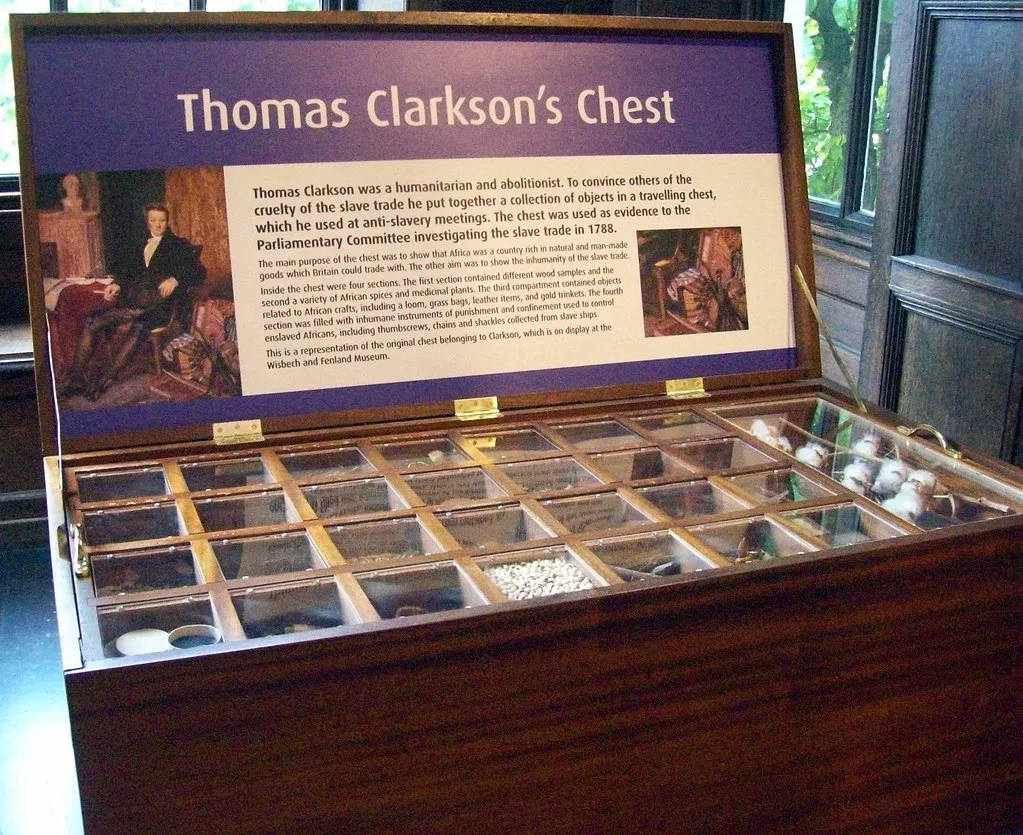
The British Slavery Abolition Act of 1833
Driven by decades of grassroots campaigning by William Wilberforce, Olaudah Equiano, and enslaved revolts in Jamaica, the British Parliament abolished slavery across the British Empire.
By the numbers
- In what year CE did Parisian citizens storm the Bastille, inaugurating the French Revolution?
- 1789 CE
- In what year CE did the pan-European revolutionary wave known as the 'Spring of Nations' erupt?
- 1848 CE
- In what year CE was the formal Haitian Declaration of Independence proclaimed by Jean-Jacques Dessalines?
- 1804 CE
- In what year CE did the British Parliament pass the Slavery Abolition Act banning chattel slavery across its colonies?
- 1833 CE
Matched pairs
Each item on the left goes with the one on the right.
- Wollstonecraft Vindication Tract
- A pioneering theoretical text demonstrating that female societal subordination arises from denied educational opportunities
- Versailles Jeu de Paume Hall
- An indoor sporting venue where delegates swore to maintain collective assembly until framing a national constitution
- Heroes Monument of Vertières
- A sculpted memorial in Cap-Haïtien commemorating the decisive 1803 defeat of Napoleon's expeditionary army
- Monument to the Army of the Andes, Cerro de la Gloria
- A panoramic bronze hilltop installation commemorating the heroic high-altitude crossing of the snowy cordillera in 1817
Self-test
Answer each question from memory, then check your work against the answer key.
1. According to Enlightenment philosopher John Locke, what are the fundamental natural rights of all humans?
- AUnquestioning obedience to hereditary monarchs
- BImmunity from all civic taxation laws
- CThe right of every citizen to vote in national elections
- DLife, liberty, and estate (property)
2. Which demographic group composed the 'Third Estate' in pre-revolutionary French society?
- AThe foreign diplomatic ambassadors and corsairs
- BThe commoners—peasants, urban artisans, and the bourgeoisie, who bore the tax burden
- CThe ordained Roman Catholic cardinals and bishops
- DThe hereditary titled feudal nobility and princes
3. Why was the guillotine adopted by the French revolutionary government as the primary execution instrument?
- ABecause it offered one swift, humane method of execution for condemned people of every social class
- BBecause it was believed the mechanism destroyed the body so completely that no remains were left for burial
- CBecause it kept beheading as a privilege of the nobility while commoners were still hanged
- DBecause it was far cheaper to build and run than the sword or axe it replaced
4. What core argument did Mary Wollstonecraft advance regarding female rational capacity?
- AWomen are naturally suited only for domestic needlework and choral singing
- BWomen should be legally barred from reading political pamphlets
- CWomen possess equal capacity for reason and should receive the same rigorous education as men
- DMen and women should live in separate geographic hemispheres
5. What did the Third Estate delegates pledge at the Tennis Court Oath on June 20, 1789?
- ANot to disband until France had a written constitution
- BTo dissolve permanently and return to their home provinces
- CTo surrender all authority back to King Louis XVI
- DTo reinstate the medieval feudal estates system
6. How did Maximilien Robespierre justify the use of terror during the French Republic's crisis?
- AAs a tactical bluff meant purely to frighten France's foreign enemies
- BAs a means to redistribute confiscated aristocratic land to loyal party members
- CAs righteous vengeance against the nobility for centuries of feudal abuse
- DAs 'justice, prompt, severe, inflexible': an emanation of virtue needed to defend the Revolution
7. What rights did France's National Assembly proclaim in its August 1789 Declaration of the Rights of Man?
- AHereditary titles and exclusive noble tax exemptions
- BGuaranteed government employment for every citizen
- CLiberty, equality, property, and freedom of speech
- DAbsolute obedience owed to the reigning monarch
8. What document, adopted in July 1776, proclaimed unalienable rights to life, liberty, and the pursuit of happiness?
- AThe Articles of Confederation
- BThe United States Declaration of Independence
- CThe Virginia Statute for Religious Freedom
- DThe Declaration of the Rights of Man and of the Citizen
9. Who primarily drafted the American Declaration of Independence in 1776?
- AAlexander Hamilton
- BJohn Adams
- CThomas Jefferson
- DBenjamin Franklin
10. Why is the Haitian Revolution considered unique in world history?
- AIt marked an early engagement utilizing ironclad naval battleships
- BIt is the only successful slave rebellion in history that founded an independent sovereign republic
- CIt established the first absolute monarchy on the American mainland
- DIt was negotiated entirely by European monarchs without any fighting
11. Why was the colony of Saint-Domingue so economically vital to the French Kingdom before 1791?
- AIt was the world's most lucrative sugar producer
- BIt was France's main source of silver bullion
- CIt held the Western Hemisphere's largest gold mines
- DIt was the exclusive source of French navy timber
12. What state did Simón Bolívar establish in northern South America following liberation?
- AThe Peru-Bolivian Confederation
- BThe Republic of New Granada
- CThe Empire of Brazil
- DThe Republic of Gran Colombia
13. Why did José de San Martín execute the daring Crossing of the Andes into Chile in 1817?
- ATo escape an oncoming invasion of Portuguese cavalry regiments
- BTo bypass fortified royalist defenses in Upper Peru and liberate Peru via amphibious maritime landings
- CTo establish a silver mining colony in the Patagonia desert
- DTo trade Argentine horses for Brazilian rubber trees
14. What historic distinction does Brazil hold regarding the abolition of chattel slavery in the Americas?
- AIt maintained slavery until the middle of the Second World War
- BIt passed a largely unenforced 1831 law banning the import of new enslaved Africans
- CIt established a pioneer statute abolishing slavery in 1600
- DIt was the last country in the Western Hemisphere to abolish slavery, enacting the *Lei Áurea* in 1888
15. What 1808 event triggered a crisis of legitimacy that ignited independence wars across Spanish America?
- AA naval blockade imposed by the British Royal Navy
- BA currency collapse in Spain's silver mining industry
- CNapoleon Bonaparte's invasion and occupation of Spain
- DThe assassination of the Spanish king by rebels
16. How did Olaudah Equiano help galvanize the British abolitionist movement?
- ABy publishing a bestselling first-hand account of slavery
- BBy commissioning the widely circulated Brookes ship diagram
- CBy organizing a nationwide boycott of slave-grown sugar among British consumers
- DBy founding the London Committee to abolish the slave trade
Go deeper
- WatchRights on Paper In 1776, the Declaration of Independence said power comes from the consent of the governed.
- WatchThe Revolution in Haiti In 1791, enslaved Africans rose up in Saint-Domingue, the world's most profitable sugar colony.
- WatchOver the Andes José de San Martín aimed at Lima, the royalist stronghold of Spain's Viceroyalty of Peru. Two campaigns through the harsh terrain of Upper Peru had already been defeated.
- StudyWorld History: Turning Points of Human Civilization in the FlashFeed app
Answer key
- 1. D Life, liberty, and estate (property)Locke argued that individuals possess innate natural rights to life, liberty, and property that precede any civil government.
- 2. B The commoners—peasants, urban artisans, and the bourgeoisie, who bore the tax burdenThe Third Estate represented the overwhelming majority of the French nation, bearing the tax burden while enjoying few legal and political privileges.
- 3. A Because it offered one swift, humane method of execution for condemned people of every social classBefore 1789 nobles were beheaded by sword or axe while commoners were usually hanged. The Assembly sought one method for all classes; the guillotine, urged by Dr Guillotin though not invented by him, was judged a humane death.
- 4. C Women possess equal capacity for reason and should receive the same rigorous education as menWollstonecraft maintained that women's perceived intellectual limitations were an artificial product of a frivolous, deficient educational system that treated them as ornamental.
- 5. A Not to disband until France had a written constitutionLocked out of their meeting hall, Third Estate delegates gathered at an indoor tennis court at Versailles on June 20, 1789, and swore not to separate until France had a written constitution.
- 6. D As 'justice, prompt, severe, inflexible': an emanation of virtue needed to defend the RevolutionIn February 1794 Robespierre called terror 'justice, prompt, severe, inflexible' and 'an emanation of virtue': in a revolution, virtue without terror is powerless and terror without virtue is fatal.
- 7. C Liberty, equality, property, and freedom of speechIn August 1789, the National Assembly's Declaration of the Rights of Man and of the Citizen proclaimed liberty, equality, property, and freedom of speech as universal rights.
- 8. B The United States Declaration of IndependenceThe Continental Congress adopted the Declaration of Independence in July 1776, proclaiming unalienable rights drawn from Lockean natural-rights theory.
- 9. C Thomas JeffersonThomas Jefferson served as the principal author of the Declaration of Independence, adopted by the Continental Congress in July 1776.
- 10. B It is the only successful slave rebellion in history that founded an independent sovereign republicThe Haitian Revolution represents the only instance where enslaved people rose up, defeated three major European empires (Britain, Spain, France), and established a sovereign nation.
- 11. A It was the world's most lucrative sugar producerSaint-Domingue was the most lucrative colony on Earth, generating colossal wealth for French ports like Nantes and Bordeaux through intense sugar and coffee production.
- 12. D The Republic of Gran ColombiaBolívar founded Gran Colombia in 1819, uniting present-day Colombia, Venezuela, Ecuador and Panama in one republic he hoped could resist foreign imperial reconquest; the union lasted until 1831 before it split into separate states.
- 13. B To bypass fortified royalist defenses in Upper Peru and liberate Peru via amphibious maritime landingsTwo campaigns through Upper Peru (Bolivia) had already failed. Liberating Chile across the Andes let San Martín's army sail north in 1820 and reach royalist Lima by sea, avoiding Upper Peru's harsh terrain.
- 14. D It was the last country in the Western Hemisphere to abolish slavery, enacting the *Lei Áurea* in 1888Princess Isabel signed the Golden Law (*Lei Áurea*) on May 13, 1888, freeing over 700,000 enslaved people and making Brazil the final nation in the Americas to abolish slavery.
- 15. C Napoleon Bonaparte's invasion and occupation of SpainNapoleon's 1808 invasion of Spain toppled the legitimate Bourbon monarchy, creating a crisis of authority that Simón Bolívar and other leaders exploited to launch independence wars across Spanish America.
- 16. A By publishing a bestselling first-hand account of slaveryEquiano's memoir, recounting how he said he was kidnapped as a child, carried across the Atlantic, and enslaved, became a bestseller that humanized the victims of the slave trade for British readers.
Sources
- Estates of the realm — Wikipedia; Georges Lefebvre, The Coming of the French Revolution — en.wikipedia.org/wiki/Estates_of_the_realm
- Gran Colombia — Wikipedia; John Lynch, Simón Bolívar — en.wikipedia.org/wiki/Gran_Colombia
- Olaudah Equiano — Wikipedia; Olaudah Equiano, The Interesting Narrative of the Life of Olaudah Equiano (1789) — en.wikipedia.org/wiki/Olaudah_Equiano
- Guillotine — Wikipedia — en.wikipedia.org/wiki/Guillotine
- Robespierre, On the Principles of Political Morality (1794) — Fordham Internet History Sourcebook — sourcebooks.fordham.edu/mod/robespierre-terror.asp
- José de San Martín — Wikipedia — en.wikipedia.org/wiki/Jos%C3%A9_de_San_Mart%C3%ADn
- Crossing of the Andes — Wikipedia; John Lynch, San Martín: Argentine Soldier, American Hero; John Lynch, San Martín — en.wikipedia.org/wiki/Crossing_of_the_Andes
- Thomas Jefferson, Declaration of Independence (1776) — en.wikipedia.org/wiki/United_States_Declaration_of_Independence
- Georges Lefebvre, The Coming of the French Revolution — en.wikipedia.org/wiki/Storming_of_the_Bastille
- National Assembly, Declaration of the Rights of Man (1789); Georges Lefebvre, The Coming of the French Revolution — en.wikipedia.org/wiki/Declaration_of_the_Rights_of_Man_and_of_the_Citizen
- Timothy Tackett, Becoming a Revolutionary — en.wikipedia.org/wiki/Tennis_Court_Oath
- Mary Wollstonecraft, A Vindication of the Rights of Woman (1792); Mary Wollstonecraft, A Vindication of the Rights of Woman — en.wikipedia.org/wiki/A_Vindication_of_the_Rights_of_Woman
- R.R. Palmer, Twelve Who Ruled: The Year of the Terror in the French Revolution — en.wikipedia.org/wiki/Reign_of_Terror
- Jean-Jacques Rousseau, The Social Contract — en.wikipedia.org/wiki/Popular_sovereignty
- R.R. Palmer, The Age of the Democratic Revolution — en.wikipedia.org/wiki/French_Revolution
- John Locke, Two Treatises of Government — en.wikipedia.org/wiki/Social_contract
- John Locke, Two Treatises of Government — en.wikipedia.org/wiki/Natural_rights_and_legal_rights
- Maximilien Robespierre, 'On the Principles of Political Morality' (1794) — en.wikipedia.org/wiki/Maximilien_Robespierre
- Georges Lefebvre, The French Revolution — en.wikipedia.org/wiki/Bastille_Day
- National Assembly, Declaration of the Rights of Man — en.wikipedia.org/wiki/Libert%C3%A9,_%C3%A9galit%C3%A9,_fraternit%C3%A9
- Thomas Jefferson, Declaration of Independence — en.wikipedia.org/wiki/Thomas_Jefferson
- Jonathan Sperber, The European Revolutions, 1848–1851 — en.wikipedia.org/wiki/Revolutions_of_1848
- Olympe de Gouges, Declaration of the Rights of Woman and of the Female Citizen (1791) — en.wikipedia.org/wiki/Declaration_of_the_Rights_of_Woman_and_of_the_Female_Citizen
- C.L.R. James, The Black Jacobins: Toussaint L'Ouverture and the San Domingo Revolution — en.wikipedia.org/wiki/Bois_Ca%C3%AFman
- Toussaint Louverture — Wikipedia — en.wikipedia.org/wiki/Toussaint_Louverture
- Laurent Dubois, Avengers of the New World: The Story of the Haitian Revolution; Laurent Dubois, Avengers of the New World — en.wikipedia.org/wiki/Battle_of_Verti%C3%A8res
- John Lynch, Simón Bolívar: A Life; John Lynch, Simón Bolívar — en.wikipedia.org/wiki/Sim%C3%B3n_Bol%C3%ADvar
- Adam Hochschild, Bury the Chains: Prophets and Rebels in the Fight to Free an Empire's Slaves; Adam Hochschild, Bury the Chains — en.wikipedia.org/wiki/Slavery_Abolition_Act_1833
- C.L.R. James, The Black Jacobins — en.wikipedia.org/wiki/Haitian_Revolution
- Adam Hochschild, Bury the Chains — en.wikipedia.org/wiki/Abolitionism
- Laurent Dubois, Avengers of the New World — en.wikipedia.org/wiki/Saint-Domingue
- Leslie Bethell, The Abolition of the Brazilian Slave Trade — en.wikipedia.org/wiki/Lei_%C3%81urea
- Peninsular War — Wikipedia — en.wikipedia.org/wiki/Peninsular_War
- Laurent Dubois, Avengers of the New World — en.wikipedia.org/wiki/Jean-Jacques_Dessalines
- Adam Hochschild, Bury the Chains — en.wikipedia.org/wiki/William_Wilberforce
- Laurent Dubois, Avengers of the New World — en.wikipedia.org/wiki/Haitian_Declaration_of_Independence
- Adam Hochschild, Bury the Chains — en.wikipedia.org/wiki/Manumission
- Laurent Dubois, Avengers of the New World — en.wikipedia.org/wiki/Haiti_indemnity_controversy
Image credits
- The American Declaration of Independence: Wikimedia Commons · Second Continental Congress; reproduction by William Stone · Public domain — commons.wikimedia.org/wiki/File:United_States_Declaration_of_Independence.jpg
- The Storming of the Bastille on July 14, 1789: Wikimedia Commons · Unknown author · Public domain — commons.wikimedia.org/wiki/File:Bastille_Exterior_1790_or_1791.jpg
- The Tennis Court Oath of the Third Estate: Akarikurosaki (Openverse) · by-sa 4.0 — commons.wikimedia.org/wiki/File:Salle_du_jeu_de_paume_de_Versailles.jpg
- The Reign of Terror and the Committee of Public Safety: Wikimedia Commons · xandru · CC BY-SA 4.0 — commons.wikimedia.org/wiki/File:Paris_Conciergerie_265.jpg
- Toussaint Louverture's Military and Political Leadership: Wikimedia Commons · Alexandre-François-Louis, comte de Girardin · Public domain — commons.wikimedia.org/wiki/File:Toussaint_Louverture_-_Girardin.jpg
- The Battle of Vertières and Haitian Independence in 1804: Kitanago (Wikimedia Commons) · CC BY-SA 4.0 — commons.wikimedia.org/wiki/File:Vertieres.jpg
- José de San Martín's Epic Crossing of the Andes: Bernard Gagnon · CC BY-SA 4.0 — commons.wikimedia.org/wiki/File:Army_of_the_Andes_Monument,_Mendoza_04.jpg
- The British Slavery Abolition Act of 1833: summonedbyfells (Openverse) · by 2.0 — www.flickr.com/photos/8521690@N02/8082323664


