
World History: Turning Points of Human Civilization study guide · Lesson 8 of 13
The Columbian Exchange and Global Commercial Integration
Biological Exchange, Demographic Collapse, and Global Caloric Shifts · Silver Flows, Plantation Slavery, and Mercantilist Joint-Stock Capitalism
This is the lesson's study guide from the FlashFeed app, plus its key facts and a self-test.
What you'll be able to do
- Describe the biological exchange of 1492, the demographic catastrophe of virgin soil epidemics, and the global caloric impact of American crops.
- Describe Potosí silver flows, the transatlantic slave trade, and the rise of joint-stock corporations like the Dutch East India Company (VOC).
The permanent reconnection of the Eastern and Western Hemispheres initiated by Christopher Columbus's 1492 transatlantic landing launched the Columbian Exchange—the unprecedented biological, ecological, demographic, and commercial globalization of the planet.
Biological Exchange, Demographic Collapse, and Global Caloric Shifts
Isolated for more than ten millennia since the flooding of the Bering land bridge, the Indigenous peoples of the Americas possessed zero acquired immunological resistance to Old World pathogens. The unintentional introduction of Smallpox, measles, typhus, influenza, and yellow fever caused devastating Virgin Soil Epidemics. Between 1492 and 1600 CE, the indigenous population collapsed by an estimated 80% to 90%—a catastrophic demographic disaster known as the Great Dying. Dominican friar Bartolomé de las Casas documented this devastation in A Short Account of the Destruction of the Indies (1552), passionately denouncing the brutal exploitation of native populations under the Spanish Encomienda System.
Conversely, the reciprocal transatlantic transfer of New World calorie-dense crops revolutionized Old World agriculture. American domesticates—principally Potatoes, Maize (corn), Cassava (manioc), and sweet potatoes—yielded significantly more calories per acre than Old World cereals, while tomatoes and peanuts also spread worldwide. In Ireland, Northern Europe, and China, the potato and maize fueled major population explosions and helped buffer farmers against grain failures, though Ireland's heavy dependence on the potato turned the blight of the 1840s into the Great Famine. In return, Europeans introduced domesticated livestock to the Americas—Horses, cattle, pigs, and sheep—which transformed Indigenous ways of life: on the North American Great Plains, mounted nations such as the Lakota and Comanche hunted bison with new speed and range, and horse cultures also arose on the Pampas of South America.
Silver Flows, Plantation Slavery, and Mercantilist Joint-Stock Capitalism
The conquest of the Aztec and Inca empires funneled colossal mineral wealth into global trade arteries. In Upper Peru (modern Bolivia), the discovery of the "Rich Mountain" (Cerro Rico) at Potosí in 1545 unearthed the richest silver deposit in human history. Tradition credits the find to an Indigenous prospector, Diego Huallpa. Utilizing the toxic mercury amalgamation Patio Process and conscripted indigenous labor through the adapted Mita System, Potosí produced over 40,000 metric tons of refined silver. Mercury for the process came from the Huancavelica mines in Peru; in 1648 a viceroy called Potosí and Huancavelica the two pillars supporting Peru and Spain. The Spanish silver coin—the Piece of Eight (Real de a Ocho)—became the world's first universal global currency. Annually, Spanish Manila Galleons sailed across the Pacific from Acapulco to Manila, trading American silver for Chinese luxury silks and porcelain, as the Ming Dynasty converted its tax system to silver under the Single Whip Law.
The catastrophic demographic collapse of indigenous labor in the Americas coincided with the rise of the tropical cash-crop plantation economy, centered on sugarcane, tobacco, and cotton. European mercantile powers organized the Transatlantic Slave Trade, forcing an estimated 12.5 million enslaved Africans aboard ships for the horrific maritime Middle Passage under chattel slavery; over 10 million survived to disembark in the Americas.
To finance high-risk, long-distance global trade ventures, early modern merchants invented modern corporate finance. In 1602, the Dutch Republic chartered the Vereenigde Oostindische Compagnie, the Dutch East India Company (VOC). As the world's first publicly traded Joint-Stock Corporation, the VOC issued transferable equity shares traded on the Amsterdam Stock Exchange, possessed sovereign powers to wage war, mint coins, establish colonies, and monopolize the lucrative Indonesian spice trade.
Key terms
- The Great Dying
- The devastating demographic collapse of the Indigenous populations of the Americas following 1492, an estimated 80% to 90% population decline caused primarily by introduced Old World pathogens.
- Joint-Stock Corporation
- A commercial business entity owned collectively by shareholders who hold transferable fractional shares of stock and enjoy limited liability.
Key concepts
Columbian Exchange
- The massive global transfer of plants, animals, culture, human populations, and communicable diseases between the Eastern and Western Hemispheres post-1492
- Introduced American crops (potatoes, maize, cassava) to Eurasia and Africa while importing Old World pathogens and livestock to the Americas
- Permanently restructured global human demographics, diets, ecology, and commercial trade networks
Virgin Soil Epidemics
- Outbreaks of infectious communicable diseases in host populations with zero prior biological exposure or acquired immunological antibodies
- Struck indigenous populations across the Americas following European contact with catastrophic mortality rates exceeding 80%
- Decimated social, political, and military leadership of the Aztec, Inca, and Mississippian civilizations
The Great Dying
- The catastrophic population collapse of the Indigenous peoples of the Americas between 1492 and 1600
- Deaths are estimated in the tens of millions, though estimates vary widely, primarily through imported infectious diseases
- Some researchers argue that reforestation of abandoned farmland lowered atmospheric carbon dioxide and contributed to Little Ice Age cooling, a contested hypothesis
Encomienda System
- Colonial Spanish labor grant system assigning indigenous communities to Spanish conquistadors (*encomenderos*)
- Required indigenous inhabitants to provide tribute and compulsory manual labor in mines and haciendas in exchange for Christianization
- Degenerated into severe forced servitude despite royal reform attempts
Potosí Silver Mine
- Vast mining city founded in 1545 beneath the Cerro Rico in the Bolivian Andes at an altitude of 4,000 meters
- Operated using the compulsory indigenous *mita* labor draft and mercury amalgamation processing
- Produced over half of the world's silver in the late 16th century, financing the Spanish Habsburg global empire
Middle Passage
- The forced maritime voyage of millions of enslaved Africans across the Atlantic Ocean to the Americas
- Characterized by severe overcrowding, disease, starvation, and mortality rates averaging 12% to 15%
- Formed the central triangular trade leg connecting European manufactured goods, African captives, and American plantation commodities
Dutch East India Company (VOC)
- Mega-corporation chartered by the States General of the Netherlands in 1602
- Pioneered fractional joint-stock equity shares, limited liability, and permanent capital lock-in
- Possessed quasi-sovereign powers to wage war, construct fortresses, maintain armies, and govern Batavia (Jakarta)
Manila Galleons
- Spanish trading vessels that linked the Captaincy General of the Philippines with the Viceroyalty of New Spain (Mexico) from 1565 to 1815
- Exchanged Mexican and Potosí silver for Chinese luxury goods (porcelain, damask silk, jade)
- Represented the first permanent trans-Pacific global trade route encircling the globe
Key facts
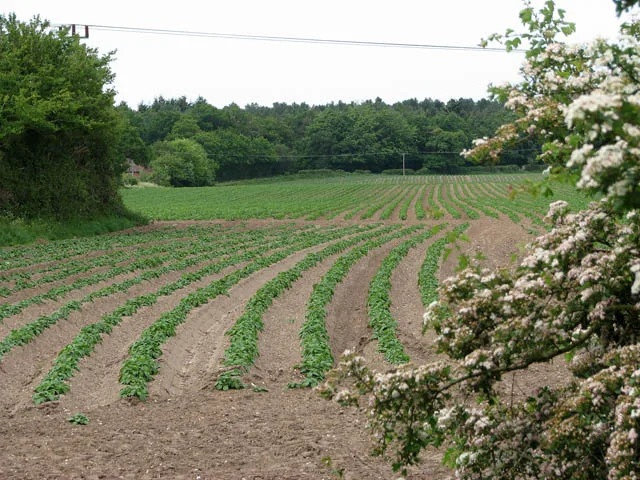
The Global Caloric Revolution of the American Potato
The transfer of the Andean potato to Europe provided significantly more calories per acre than rye or wheat, helping drive European population growth and famine resilience.
Columbus's Transatlantic Landfall in the Bahamas
On October 12, 1492, Christopher Columbus's expedition made landfall in the Bahamas, permanently uniting the biological systems of the Old and New Worlds.
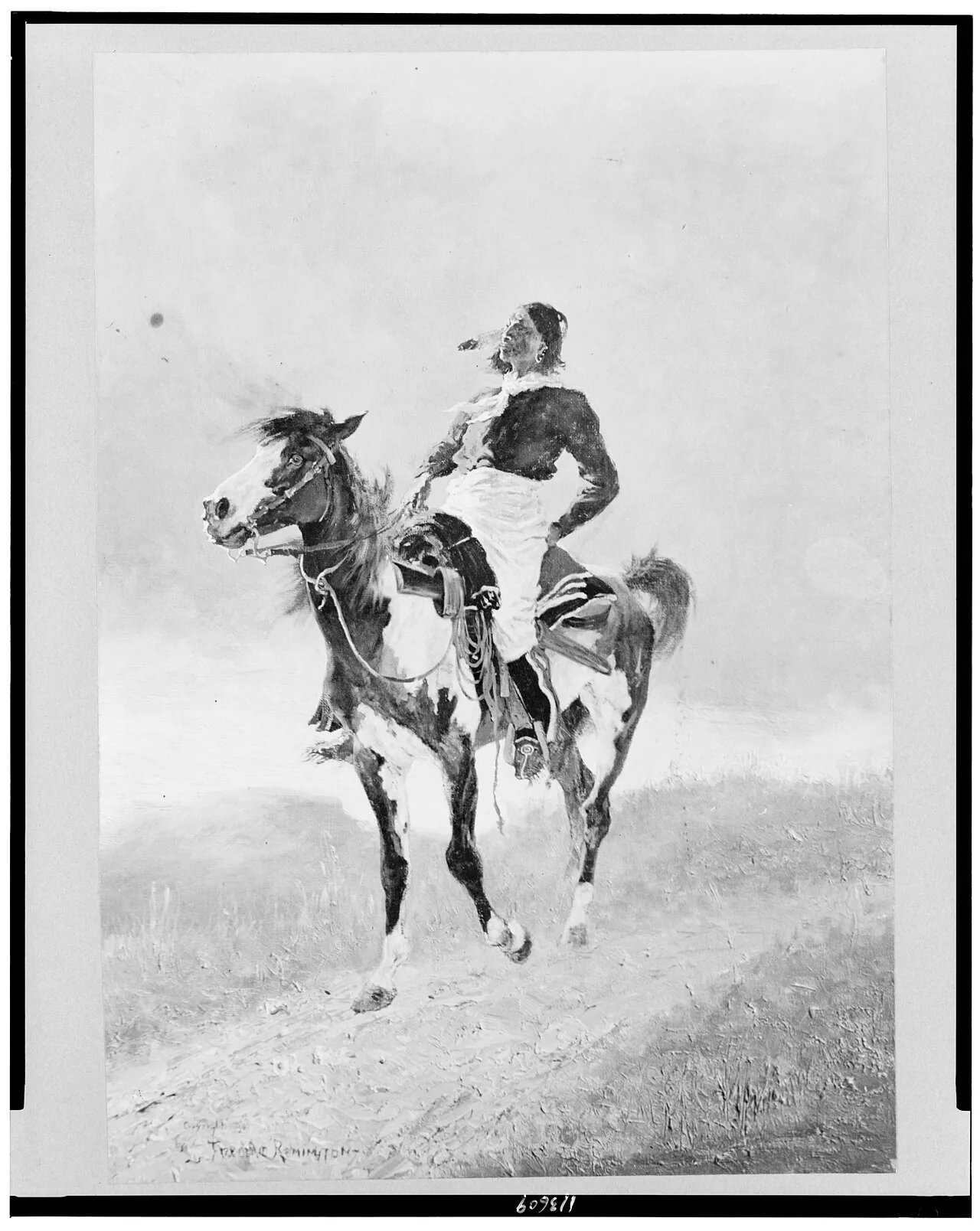
The Ecological Impact of Old World Domestic Animals
The introduction of Spanish horses, cattle, and pigs transformed American ecosystems, enabling the emergence of equestrian hunting cultures among Plains Indigenous nations.
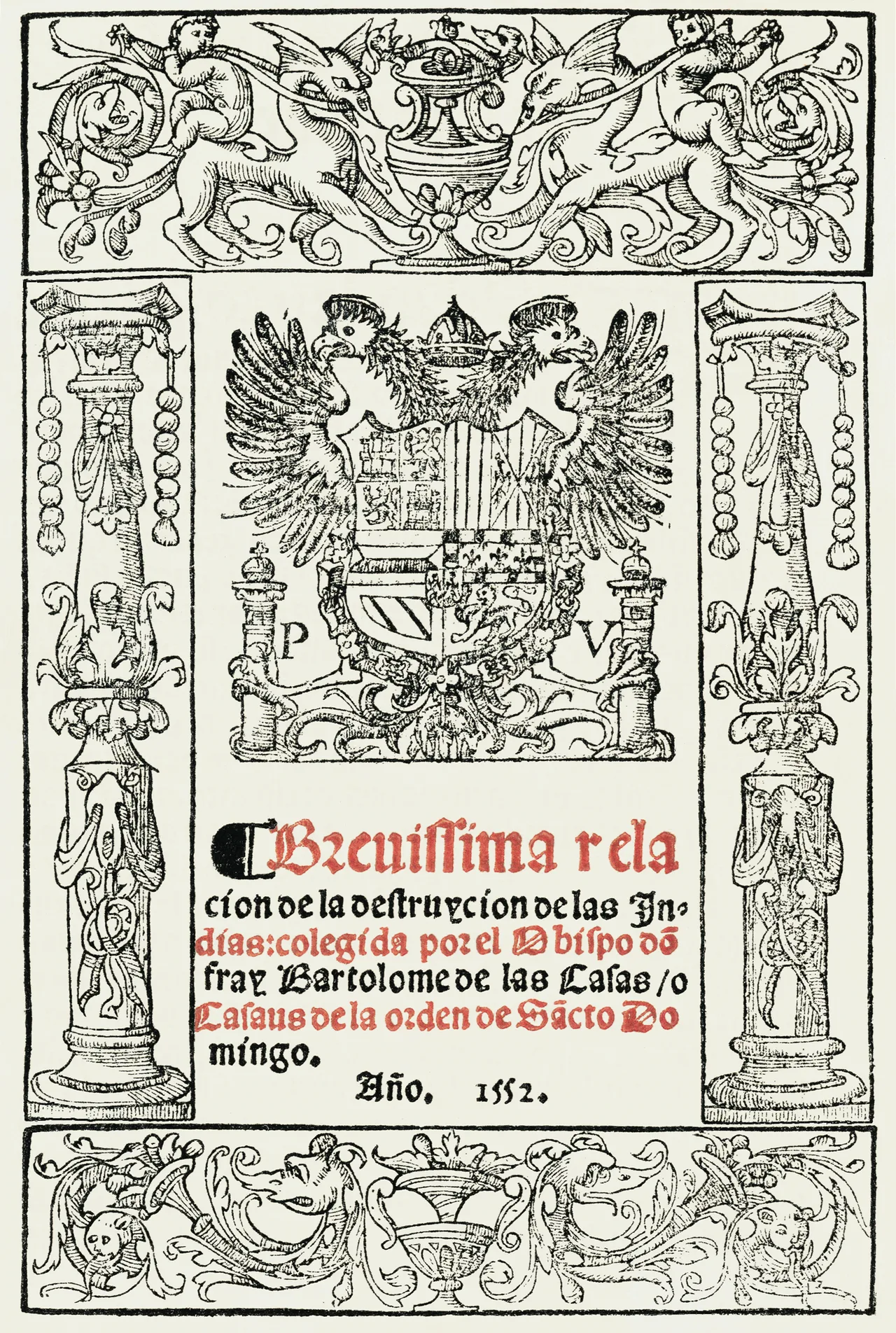
Bartolomé de las Casas and the Defense of Indigenous Rights
Dominican friar Bartolomé de las Casas documented the horrific abuses of the Encomienda system, prompting the Spanish Crown to enact the New Laws of 1542.
Adoption of American Maize and Sweet Potatoes in Ming China
American maize and sweet potatoes thrived on marginal hilly soils in southern and western China, fueling a doubling of the Chinese population during the Ming and Qing eras.
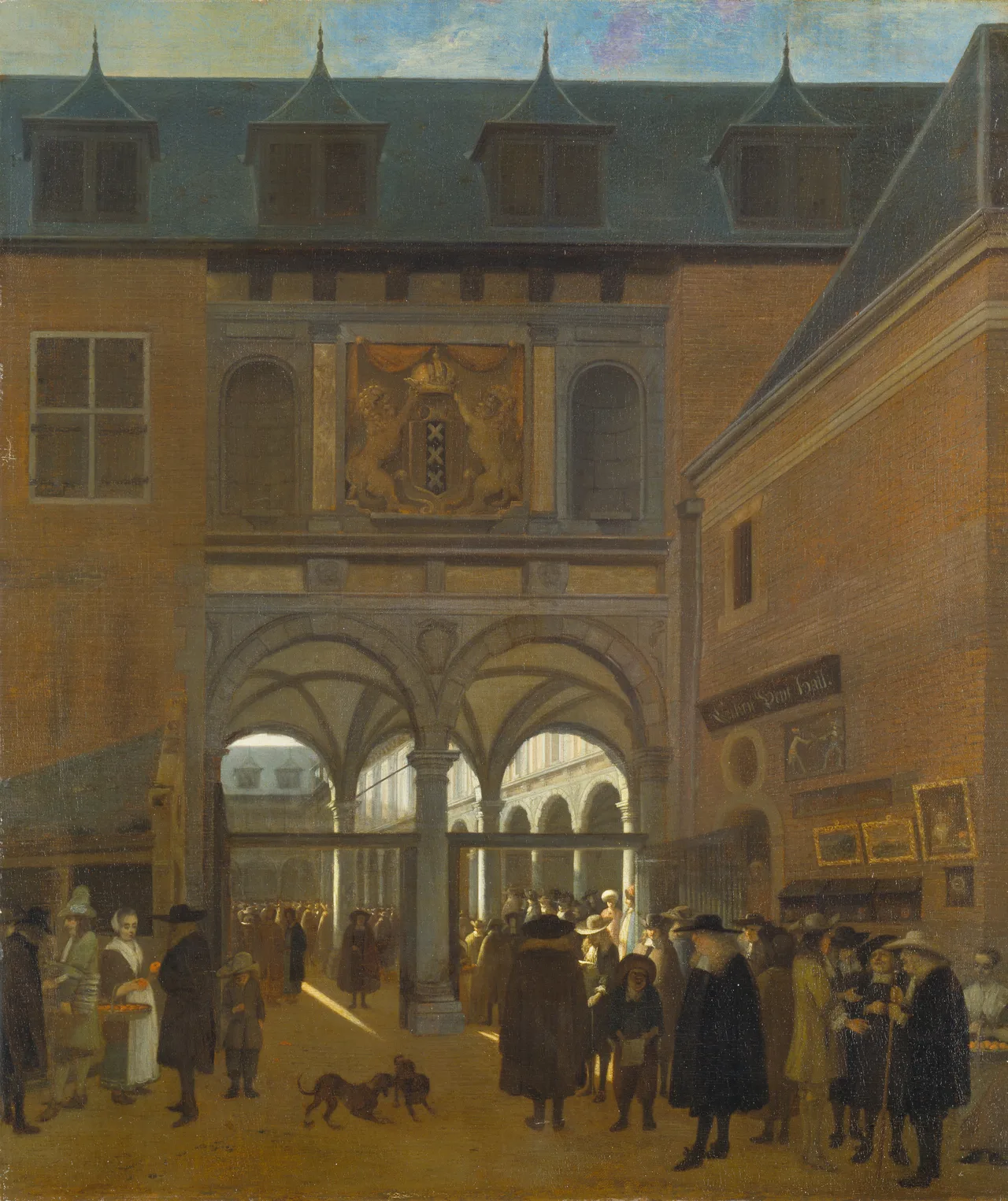
Founding of the Dutch East India Company (VOC) in 1602
The VOC was chartered in 1602 as the world's first publicly traded joint-stock corporation, issuing tradable equity shares on the Amsterdam Stock Exchange to monopolize the Asian spice trade.
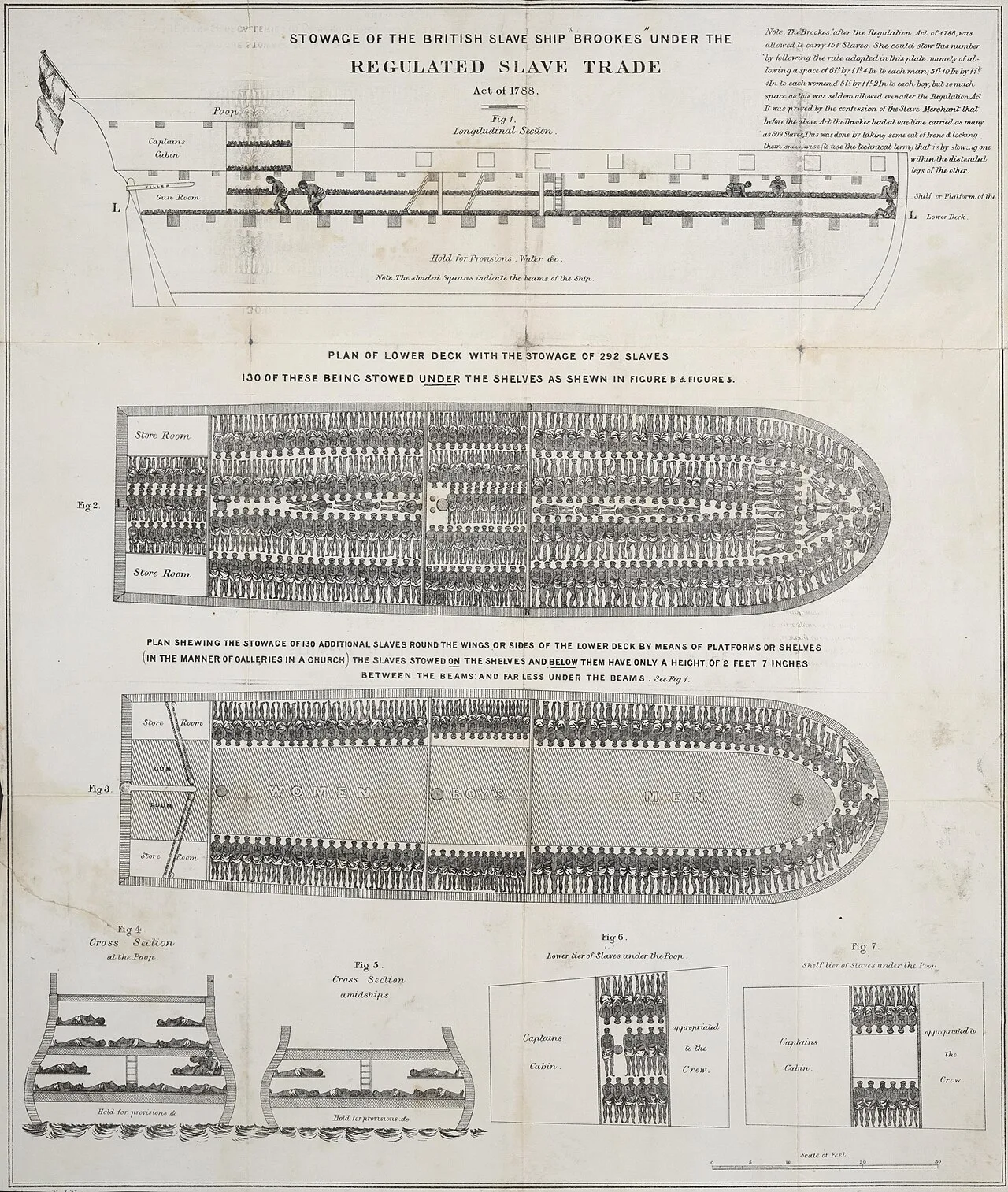
The Brutality of the Maritime Middle Passage
From the early 1500s to the 1860s, an estimated 12.5 million enslaved Africans were forced aboard slave ships for the Atlantic crossing under horrific, inhumane conditions; over 10 million survived to disembark in the Americas.
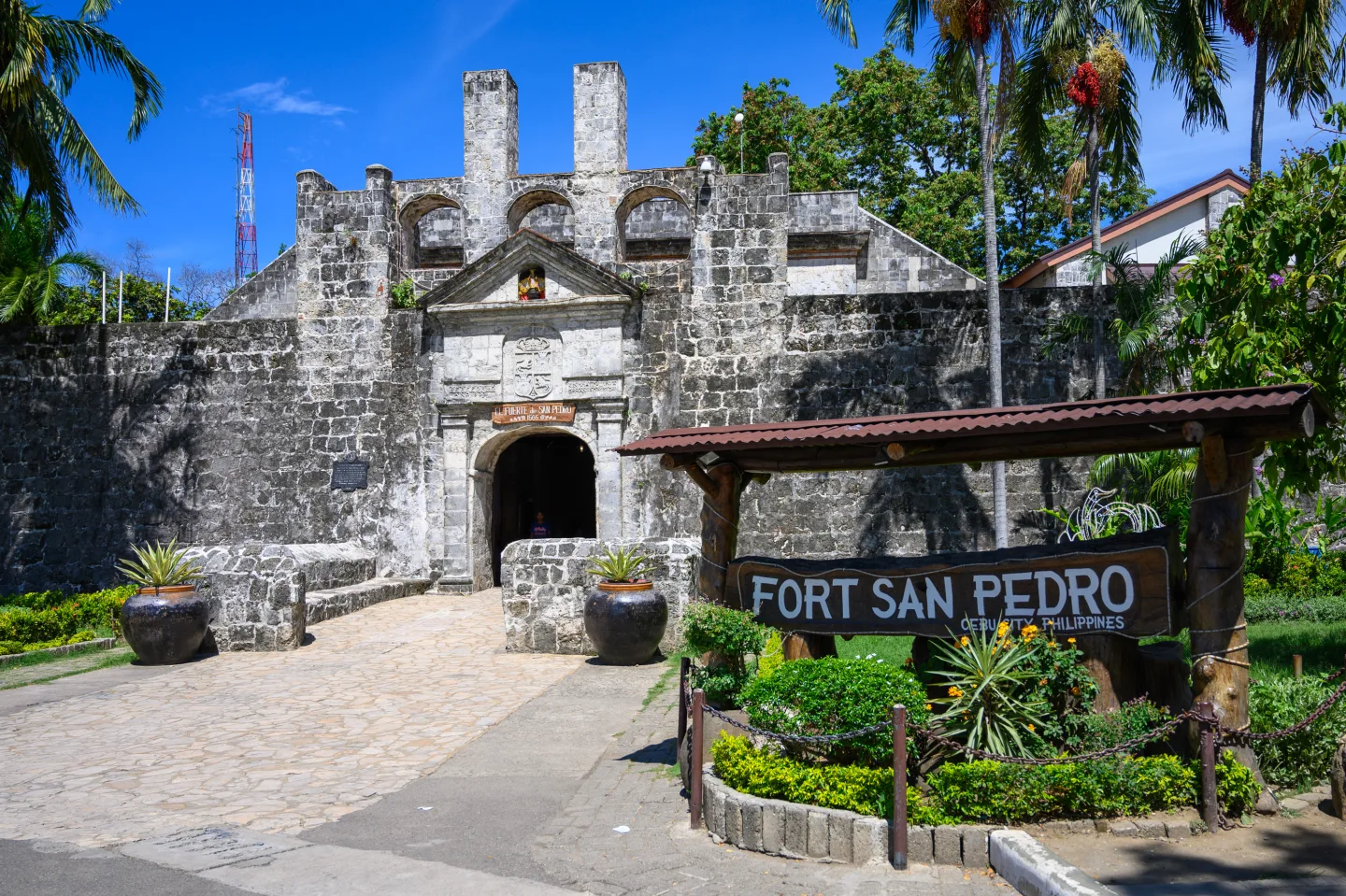
Trans-Pacific Silver Flows on the Manila Galleons
Spanish Manila Galleons sailed annually between Acapulco and Manila, exchanging American silver for Chinese silk and porcelain demanded by European markets.
The Mercury Patio Process for Silver Amalgamation
Developed in New Spain (Mexico) in 1554 by Bartolomé de Medina, the patio process used toxic mercury to extract silver from low-grade crushed ores; at Potosí, from the 1570s, the mercury came from the Huancavelica mines in Peru.
By the numbers
- In what year CE did Christopher Columbus make his first transatlantic landfall in the Caribbean?
- 1492 CE
- In what year CE did the famous Valladolid moral debate on Indigenous human rights take place in Spain?
- 1550 CE
- In what year CE were the rich silver vein deposits of Potosí traditionally said to have been discovered by the indigenous prospector Diego Huallpa?
- 1545 CE
- In what year CE was the Dutch East India Company (VOC) officially chartered by the Dutch States General?
- 1602 CE
Matched pairs
Each item on the left goes with the one on the right.
- A Short Account of the Destruction of the Indies
- A polemical account by Bartolomé de las Casas detailing Spanish colonial violence and depopulation in the Indies, written to urge royal protection for native subjects
- Santa Maria Flagship Vessel
- A three-masted wooden sailing carrack that carried an exploratory expedition across the Atlantic Ocean in 1492
- Eight Reales Bullion Coin
- A standardized silver specie minted in the Americas that served as the primary medium of exchange across global commercial markets
- Brooks Slave Vessel Plan
- An abolitionist diagram illustrating the inhumane tightly-packed conditions of captive Africans aboard a Liverpool transport craft
Self-test
Answer each question from memory, then check your work against the answer key.
1. Why were Indigenous American populations exceptionally vulnerable to Old World infectious diseases?
- AThey had been geographically isolated for millennia and lacked acquired biological immunity to Afro-Eurasian pathogens
- BTheir maize-based diet left them too malnourished to resist infections that Europeans survived
- CSpanish soldiers killed most of them directly in battle, with disease playing only a minor role
- DColonists deliberately spread the diseases as a planned policy of extermination
2. What dietary and demographic impact did the potato have upon European society?
- AAn export crop sent back to the Americas; diets unchanged
- BLow yields that forced clearing of woodland, slowing growth
- CAbundant cheap calories that fueled population growth
- DA luxury curiosity for elites with little effect on peasants
3. Which of these crops was an American domesticate carried to the Old World in the Columbian Exchange?
- ACoffee
- BCassava
- CSugarcane
- DBanana
4. How did the reintroduction of the horse reshape the societies of the North American Great Plains?
- ANations quit bison hunting to breed horses for sale
- BMounted raiding ended warfare between Plains nations
- CNations settled in farming villages and stopped migrating
- DMounted nations hunted bison with new speed and mobility
5. Which crop and labor regime were central to the tropical cash-crop plantation economy of the Americas?
- ACoffee plantations worked by indentured Asian migrants
- BSugarcane plantations worked by enslaved Africans
- CSugarcane plantations worked by Indigenous wage laborers
- DCotton plantations worked by Indigenous mita draftees
6. What did Bartolomé de las Casas denounce in his 1552 Short Account of the Destruction of the Indies?
- AThe Spanish Inquisition's heresy trials
- BThe Portuguese Indian Ocean spice trade
- CThe Spanish encomienda system
- DThe Aztec practice of human sacrifice
7. Between 1492 and 1600, by roughly how much did the Indigenous population of the Americas collapse?
- AAn estimated 80% to 90%
- BAn estimated 10% to 20%
- CAn estimated 30% to 40%
- DAn estimated 50% to 60%
8. Why was Ming Dynasty China the ultimate destination for a massive share of the world's silver?
- AThe Ming court needed silver to pay annual tribute demanded by Mongol remnants on the northern border
- BChinese law required all foreign trade to be settled in silver as a diplomatic formality
- CChinese emperors passed a decree banning all domestic paper, bronze, and gold currency
- DThe Ming Single Whip tax reform mandated that all imperial land taxes be paid in physical silver bullion
9. What revolutionary financial feature distinguished the Dutch East India Company (VOC) from earlier trading partnerships?
- AA fixed annual dividend guaranteed by the States General
- BShares limited to members of an Amsterdam merchants' guild
- CCapital returned to investors after each single voyage
- DTradable shares and permanent, non-withdrawable capital
10. Roughly how many enslaved Africans were forced aboard ships for the Middle Passage in the Transatlantic Slave Trade?
- AAn estimated 9 million
- BAn estimated 6 million
- CAn estimated 12.5 million
- DAn estimated 20 million
11. What labor system did the Spanish colonial administration use to supply miners for Potosí?
- AThe Inca mita, a rotating draft of male Indigenous workers
- BChinese contract laborers brought on the Manila galleons
- CEnslaved African captives as the main underground workforce
- DIndentured Spanish convicts shipped to the mines
12. What did the Spanish Piece of Eight (Real de a Ocho) become?
- AThe main currency of the trans-Saharan salt trade
- BThe world's first universal global currency
- CThe standard coin of the Pax Mongolica trade
- DThe world's first government-backed paper money
13. What sovereign powers did the Dutch East India Company (VOC) possess?
- ATo rule Kilwa and the Swahili Coast city-states
- BTo run the Manila Galleon silver route to Acapulco
- CTo govern the Cerro Rico silver mines at Potosí
- DTo wage war, mint coins, and establish colonies
14. What crucial toxic mineral was mined at Huancavelica in Peru to extract silver at Potosí?
- AMercury (quicksilver)—essential for amalgamating with silver particles in crushed ore
- BSulfur—used to dissolve surrounding granite rock formations
- CArsenic—used to bleach dark silver coins into shiny white medallions
- DLead—used in a cupellation process to separate silver from base-metal ore
Go deeper
- WatchThe Exchange Ran Both Ways In 1492, Columbus reconnected two worlds. They had been apart for over 12,000 years.
- WatchSilver, Slavery and Shares In 1545, the richest silver deposit in history was found at Potosí, in today's Bolivia.
- WatchSilver Sailed West Silver dug in the Americas bought Chinese silks, tea and porcelain. To do that, it sailed west, across the Pacific.
- StudyWorld History: Turning Points of Human Civilization in the FlashFeed app
Answer key
- 1. A They had been geographically isolated for millennia and lacked acquired biological immunity to Afro-Eurasian pathogensIsolated for millennia after the Bering land bridge flooded, Native Americans had no acquired immunity to smallpox, measles or typhus. Most historians see this as the main cause of the mass mortality, though colonial disruption of communities added to it.
- 2. C Abundant cheap calories that fueled population growthPotatoes produced significantly more calories per acre than traditional grains and could be stored underground, which helped insulate farming societies against famine and supported population growth.
- 3. B CassavaCassava (manioc), potatoes, maize, and sweet potatoes, all American domesticates, yielded significantly more calories per acre than Old World cereals; tomatoes and peanuts also spread worldwide.
- 4. D Mounted nations hunted bison with new speed and mobilityHorses allowed Plains nations like the Lakota and Comanche to follow bison herds across vast distances, revolutionizing hunting, warfare, and cultural mobility.
- 5. B Sugarcane plantations worked by enslaved AfricansThe collapse of indigenous labor coincided with the rise of a tropical cash-crop plantation economy centered on sugarcane, tobacco, and cotton, as European powers organized the Transatlantic Slave Trade under chattel slavery.
- 6. C The Spanish encomienda systemDominican friar Bartolomé de las Casas, in A Short Account of the Destruction of the Indies (1552), documented the violence and depopulation of the early Spanish colonies, passionately denouncing the brutal exploitation of native populations under the Spanish Encomienda System.
- 7. A An estimated 80% to 90%Between 1492 and 1600 CE, the indigenous population collapsed by an estimated 80% to 90%, a catastrophic demographic disaster known as the Great Dying.
- 8. D The Ming Single Whip tax reform mandated that all imperial land taxes be paid in physical silver bullionIn the 16th century, the Ming Dynasty reformed its fiscal system (the Single Whip Law), requiring taxes to be paid in silver, which made Chinese demand the engine of global silver flows.
- 9. D Tradable shares and permanent, non-withdrawable capitalThe VOC introduced permanent capital (shareholders could sell shares on the stock exchange but could not liquidate the company's capital assets), enabling long-term capital investments.
- 10. C An estimated 12.5 millionAn estimated 12.5 million enslaved Africans were embarked on the horrific Middle Passage; over 10 million survived to disembark in the Americas.
- 11. A The Inca mita, a rotating draft of male Indigenous workersViceroy Francisco de Toledo adapted the pre-Columbian Incan *mita* into a coercive state draft, forcing thousands of native men (*mitayos*) into the toxic silver mines of Potosí.
- 12. B The world's first universal global currencyThe Spanish silver coin, the Piece of Eight (Real de a Ocho), became the world's first universal global currency.
- 13. D To wage war, mint coins, and establish coloniesIn 1602, the Dutch Republic chartered the VOC, which possessed sovereign powers to wage war, mint coins, establish colonies, and monopolize the lucrative Indonesian spice trade.
- 14. A Mercury (quicksilver)—essential for amalgamating with silver particles in crushed oreThe Patio Process required vast quantities of liquid mercury (*azogue*) mined from Huancavelica's lethal underground mines to bind with fine silver particles in crushed ore sludge.
Sources
- Potosí — Wikipedia; Kris Lane, Potosí: The Silver Mountain That Changed the World; Kris Lane, Potosí — en.wikipedia.org/wiki/Potos%C3%AD
- Huancavelica — Wikipedia; Kris Lane, Potosí — en.wikipedia.org/wiki/Huancavelica
- Alfred W. Crosby, The Columbian Exchange: Biological and Cultural Consequences of 1492; Mark Elvin, The Retreat of the Elephants: An Environmental History of China; Alfred W. Crosby, The Columbian Exchange — en.wikipedia.org/wiki/Columbian_exchange
- Alfred W. Crosby, The Columbian Exchange — en.wikipedia.org/wiki/History_of_the_potato
- Christopher Columbus, Journal of the First Voyage — en.wikipedia.org/wiki/Voyages_of_Christopher_Columbus
- Alfred W. Crosby, The Columbian Exchange — en.wikipedia.org/wiki/Horses_in_the_United_States
- Bartolomé de las Casas, A Short Account of the Destruction of the Indies (1552) — en.wikipedia.org/wiki/Bartolom%C3%A9_de_las_Casas
- Alfred W. Crosby, The Columbian Exchange; David Stannard, American Holocaust — en.wikipedia.org/wiki/Population_history_of_indigenous_peoples_of_the_Americas
- Charles Gibson, The Aztecs Under Spanish Rule — en.wikipedia.org/wiki/Encomienda
- Alfred W. Crosby, The Columbian Exchange — en.wikipedia.org/wiki/Virgin_soil_epidemic
- Alfred W. Crosby, The Columbian Exchange — en.wikipedia.org/wiki/Cassava
- Alfred W. Crosby, The Columbian Exchange — en.wikipedia.org/wiki/Plains_Indians
- Sidney W. Mintz, Sweetness and Power: The Place of Sugar in Modern History — en.wikipedia.org/wiki/Sugar_plantation
- Alfred W. Crosby, The Columbian Exchange — en.wikipedia.org/wiki/Solanum_tuberosum
- Alfred W. Crosby, The Columbian Exchange — en.wikipedia.org/wiki/History_of_smallpox
- Alfred W. Crosby, The Columbian Exchange — en.wikipedia.org/wiki/Maize
- Lewis Hanke, All Mankind Is One — en.wikipedia.org/wiki/Valladolid_debate
- Bartolomé de las Casas, A Short Account of the Destruction of the Indies — en.wikipedia.org/wiki/A_Short_Account_of_the_Destruction_of_the_Indies
- Christopher Columbus, Journal — en.wikipedia.org/wiki/Santa_Mar%C3%ADa_(ship)
- Spanish dollar — Wikipedia; see Flynn and Giráldez, 'Born with a Silver Spoon: The Origin of World Trade in 1571', J. World History 1995; Dennis O. Flynn, 'Born with a Silver Spoon: The Origin of World Trade in 1571'; Dennis O. Flynn, 'Born with a Silver Spoon' — en.wikipedia.org/wiki/Spanish_dollar
- Femme S. Gaastra, The Dutch East India Company — en.wikipedia.org/wiki/Dutch_East_India_Company
- Marcus Rediker, The Slave Ship: A Human History; Marcus Rediker, The Slave Ship — en.wikipedia.org/wiki/Middle_Passage
- William Lytle Schurz, The Manila Galleon — en.wikipedia.org/wiki/Manila_galleon
- Peter Bakewell, Miners of the Red Mountain: Indian Labor in Potosi — en.wikipedia.org/wiki/Patio_process
- Dennis O. Flynn, 'Born with a Silver Spoon' — en.wikipedia.org/wiki/Single_Whip_law
- Femme S. Gaastra, The Dutch East India Company — en.wikipedia.org/wiki/Joint-stock_company
- David Eltis, Atlas of the Transatlantic Slave Trade — en.wikipedia.org/wiki/Atlantic_slave_trade
- Mit'a (Wikipedia) — en.wikipedia.org/wiki/Mita_(Inca)
- Kris Lane, Potosí — en.wikipedia.org/wiki/Cerro_Rico
- Marcus Rediker, The Slave Ship — en.wikipedia.org/wiki/Brooks_(slave_ship)
Image credits
- The Global Caloric Revolution of the American Potato: Evelyn Simak · CC BY-SA 2.0 — commons.wikimedia.org/wiki/File:Potato_crop_in_field_adjoining_the_Marriott%27s_Way_-_geograph.org.uk_-_1317475.jpg
- The Ecological Impact of Old World Domestic Animals: Frederic Remington · Public domain — commons.wikimedia.org/wiki/File:Modern_Commanchie_(sic)_or_On_the_white_man%27s_road_-_Frederic_Remington._LCCN95508883.jpg
- Bartolomé de las Casas and the Defense of Indigenous Rights: Bartolomé de las Casas · Public domain — commons.wikimedia.org/wiki/File:Bartolom%C3%A9_de_las_Casas_(1552)_Brevisima_relaci%C3%B3n_de_la_destrucci%C3%B3n_de_las_Indias.png
- Founding of the Dutch East India Company (VOC) in 1602: Berckheyde, Job Andriaensz. · PDM-owner — commons.wikimedia.org/wiki/File:The_Stock_Exchange_in_Amsterdam_(SM_536).png
- The Brutality of the Maritime Middle Passage: Plymouth Chapter of the Society for Effecting the Abolition of the Slave Trade · Public domain — en.wikipedia.org/wiki/Plan_of_the_British_Slave_Ship_Brooks,_1788
- Trans-Pacific Silver Flows on the Manila Galleons: Wikimedia Commons · xiquinhosilva · CC BY 2.0 — commons.wikimedia.org/wiki/File:Fort_San_Pedro,_Cebu-City_(49063919082).jpg


