
World History: Turning Points of Human Civilization study guide · Lesson 4 of 13
Imperial Transformations and World Religions
Universalist Faiths and State Transformation: Christianity and Mahayana Buddhism · The Islamic Caliphate, Urbanism, and Trans-Eurasian Scholarly Synthesis
This is the lesson's study guide from the FlashFeed app, plus its key facts and a self-test.
What you'll be able to do
- Describe how Christianity reshaped Roman imperial governance and theological orthodoxy, and how Mahayana Buddhism was transmitted across Asia.
- Analyze the rise of the Islamic Caliphate, the creation of urban trade networks, and the scholarly breakthroughs of the Islamic Golden Age.
Between 300 CE and 1050 CE, the Afro-Eurasian geopolitical landscape was fundamentally restructured by the institutionalization of universalist world religions. Christianity, Mahayana Buddhism, and Islam transcended regional ethnic boundaries, serving as powerful mechanisms of social cohesion, imperial legitimation, and trans-continental scholarly synthesis.
Universalist Faiths and State Transformation: Christianity and Mahayana Buddhism
In the Roman world, three centuries of periodic persecution yielded to imperial adoption. In 313 CE, Emperor Constantine the Great, together with his co-emperor Licinius, issued the Edict of Milan, legalizing Christian worship. In 325 CE, Constantine convened the Council of Nicaea to resolve the Arian controversy: the priest Arius taught that the Son was created by God the Father and subordinate to him. The council rejected his view and formulated the Nicene Creed to establish doctrinal orthodoxy across the empire. By the late 4th century under Theodosius I, Christianity became the exclusive state religion of the Roman Empire. Following the collapse of the Western Roman administrative apparatus in 476 CE, the Eastern Roman (Byzantine Empire) preserved Roman legal and administrative continuity from Constantinople. Under Justinian I (r. 527–565 CE), Byzantine architectural and theological magnificence reached its zenith with the construction of Hagia Sophia (Church of Holy Wisdom), whose massive pendentive dome symbolized cosmic and imperial harmony.
Byzantine emperors protected the Eastern Church and managed its administration: they presided over church councils, appointed patriarchs, and some, Justinian among them, issued church edicts on their own authority. The term caesaropapism describes this pattern, in which the head of state also acts as supreme head of the church; Byzantium is its chief example, although churchmen resisted it and it never became an accepted principle there.
Concurrently in Asia, Mahayana Buddhism spread along the Silk Road into China, Korea, and Japan, adapting to indigenous traditions through translation bureaus led by scholar-monks like Kumarajiva. Monasteries (viharas) functioned as intellectual centers, pawnshops, and travel hospices. In northern India, the Gupta Empire presided over a classical golden age of Sanskrit literature, mathematics (including the decimal positional system; formal rules for zero came later, with Brahmagupta in 628 CE), and monumental university education at Nalanda Mahavihara. Chinese pilgrim-monks such as Faxian, who passed through the region decades before Nalanda's rise, and later Xuanzang, who studied there directly, undertook perilous overland journeys to India, bringing home hundreds of Sanskrit texts, translating dozens of them and transmitting Buddhist philosophy to East Asia.
The Islamic Caliphate, Urbanism, and Trans-Eurasian Scholarly Synthesis
In the Arabian Peninsula, the prophet Muhammad united warring tribal confederations under the monotheistic banner of Islam. In 622 CE, the migration from Mecca to Medina—the Hijra—marked the founding of the Islamic community (Ummah) and the starting epoch of the Islamic calendar. Following Muhammad's death in 632 CE, the Rashidun and Umayyad Caliphates expanded rapidly from the Atlantic coast of Iberia to the Indus River, creating an integrated imperial zone anchored by Arabic as the administrative lingua franca. Christians, Jews and other non-Muslim subjects became dhimmi ("protected persons"): in return for loyalty and a poll tax, the jizya, the state protected their lives, property and freedom of religion.
In 750 CE, the Abbasid Caliphate overthrew the Umayyads, and in 762 CE relocated the imperial capital to Baghdad, founding the planned "Round City" at the crossroads of Mesopotamian trade. Merchants of the caliphate used the sakk, a written order of payment sometimes proposed as the origin of the word "check", and bills of exchange to send payment over long distances without carrying coin. Under Caliphs Harun al-Rashid and Al-Ma'mun, Baghdad became the nexus of the Islamic Golden Age. Caliphs, courtiers and scholars sponsored the Graeco-Arabic Translation Movement, which rendered Greek, Persian, and Sanskrit scientific, philosophical, and medical texts into Arabic. Tradition centers it on the caliphal library, the Bayt al-Hikma (House of Wisdom), though historians such as Dimitri Gutas doubt it was a translation academy, since the translators' own works never mention it. Scholars made transformative original contributions: Al-Khwarizmi formulated systematic algebra (Kitab al-Jabr); Ibn Sina (Avicenna) compiled the encyclopedic Canon of Medicine (Al-Qanun fi al-Tibb); and Alhazen (Ibn al-Haytham) pioneered empirical optics, arguing from experiments that vision occurs when light enters the eye (intromission) rather than when the eye emits rays. Cosmopolitan mosque complexes like the Great Mosque of Kairouan and the Great Mosque of Damascus fused Roman, Byzantine, and local Syrian and North African architectural traditions into a distinctive Islamic aesthetic.
Key terms
- Caesaropapism
- A political system in which the secular monarch or emperor also acts as the supreme head and ultimate administrative authority over the religious church.
- Ummah
- The collective supranational community of Islamic believers bound together by shared religious faith and moral law rather than kinship or geographical nationality.
Key concepts
Edict of Milan
- Joint decree issued by emperors Constantine I and Licinius in Mediolanum (Milan) in 313 CE
- Granted freedom of worship to all religions and restored confiscated property to Christian communities
- Marked the decisive turning point from state persecution to imperial patronage of Christianity
Hagia Sophia
- Monumental Byzantine cathedral built in Constantinople under Justinian I between 532 and 537 CE
- Engineered by Isidore of Miletus and Anthemius of Tralles using a massive pendentive dome system
- Served as the spiritual center of Eastern Orthodoxy and the coronation venue for Byzantine emperors
Council of Nicaea
- First ecumenical council of the Christian Church convened by Constantine in 325 CE in Bithynia
- Addressed the theological crisis posed by Arius concerning the consubstantiality (*homoousios*) of Christ
- Formulated the foundational Nicene Creed defining orthodox Christian trinitarian theology
Nalanda Mahavihara
- Ancient monastic university center located in Bihar, India, active from the 5th to 12th centuries CE
- Taught Buddhist philosophy, logic, grammar, medicine, astronomy, and Vedic literature
- Attracted international scholars and pilgrims from China, Korea, Tibet, and Central Asia
Hijra
- The migration of Muhammad and his early followers from Mecca to Yathrib (Medina) in 622 CE
- Transformed Islam from a persecuted minority faith into an autonomous civic community and state
- Established the foundational baseline year, 1 Anno Hegirae (AH), for the Islamic lunar calendar
Bayt al-Hikma (House of Wisdom)
- Caliphal library in Abbasid Baghdad (8th–9th centuries), traditionally described as a translation institute and academy, a picture some historians, notably Dimitri Gutas, dispute
- Traditionally linked to the Arabic translation of Aristotle, Galen, Euclid, and Ptolemy
- Traditionally credited with fostering original work in mathematics, astronomy, cartography, and medicine
Al-Khwarizmi
- 9th-century Persian mathematician and astronomer working at the House of Wisdom in Baghdad
- Author of *Al-Kitab al-mukhtasar fi hisab al-jabr wa'l-muqabala*, establishing algebra as an independent discipline
- His Latinized name gave rise to the term 'algorithm', and his book title to the word 'algebra'
Ibn Sina (Avicenna)
- Preeminent Persian polymath of the Islamic Golden Age (980–1037 CE)
- Author of the encyclopedic *Canon of Medicine* and the philosophical treatise *The Book of Healing*
- Harmonized Aristotelian logic with Islamic theology and revolutionized clinical pharmacology
Key facts
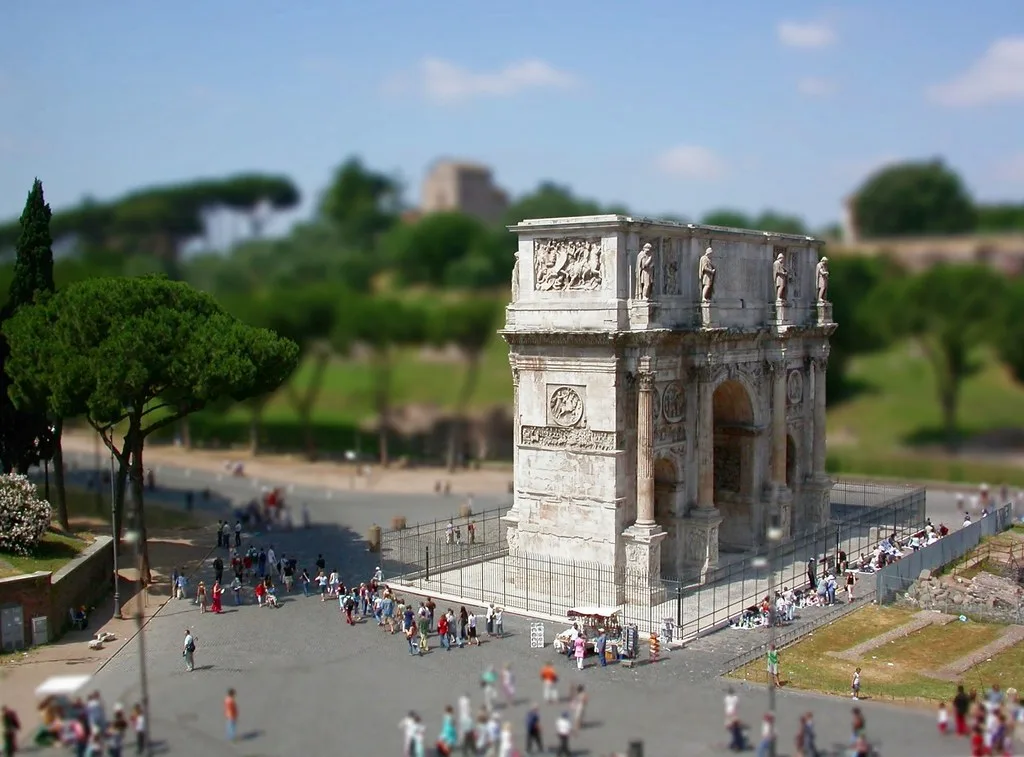
The Edict of Milan and Christian Toleration
In 313 CE, Emperor Constantine the Great, together with his co-emperor Licinius, promulgated the Edict of Milan, establishing universal religious toleration and halting the persecution of Christians across the Roman Empire.
The Council of Nicaea and Doctrinal Orthodoxy
In 325 CE, Constantine convened the First Council of Nicaea, producing the Nicene Creed to resolve the Arian controversy regarding the divine nature of Christ.
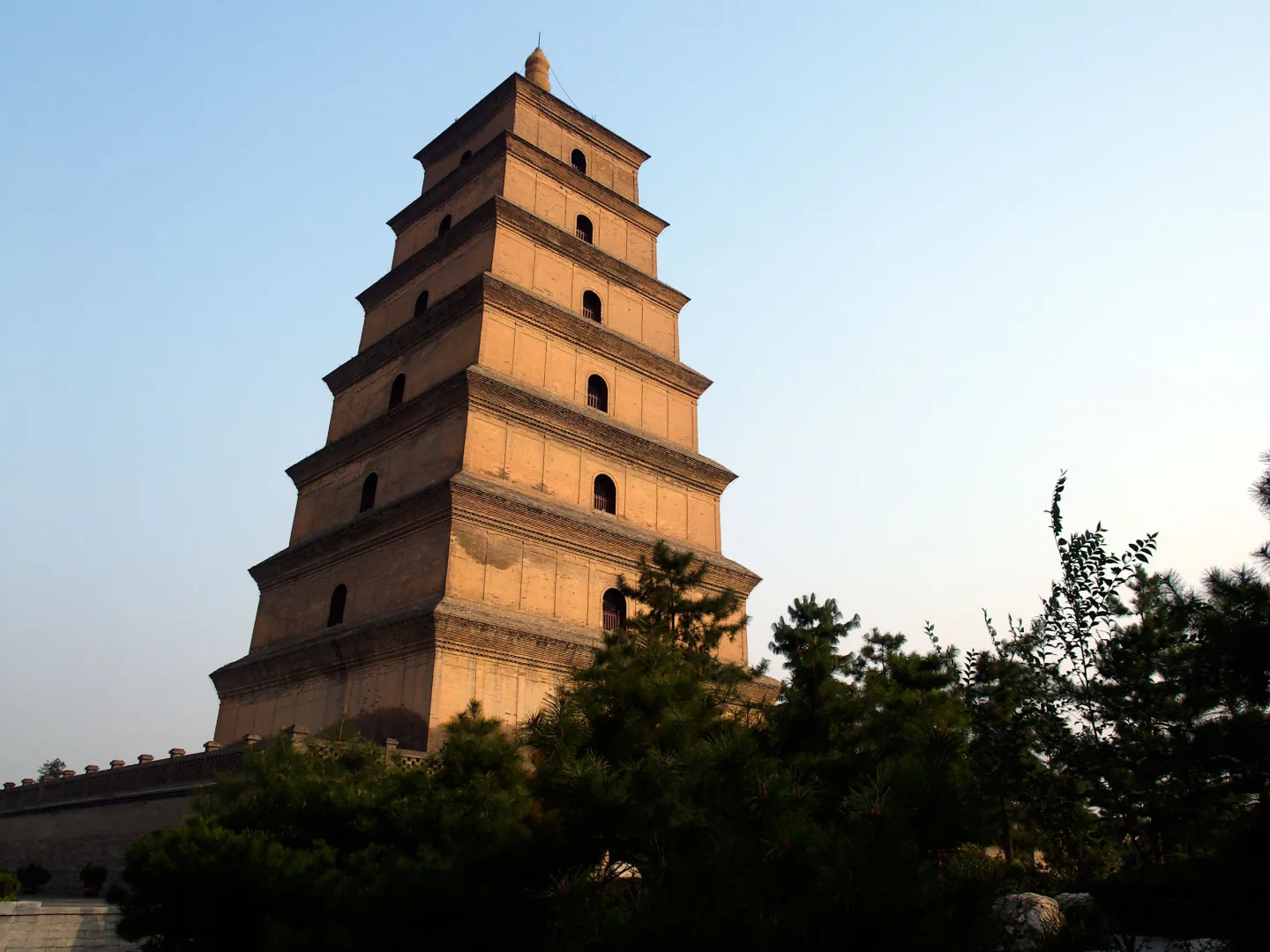
Xuanzang's Pilgrimage and Sutra Translation
In 629 CE, the Buddhist monk Xuanzang traveled across Central Asia to India, studying at Nalanda and returning to Chang'an with hundreds of Sanskrit texts to translate into Chinese.
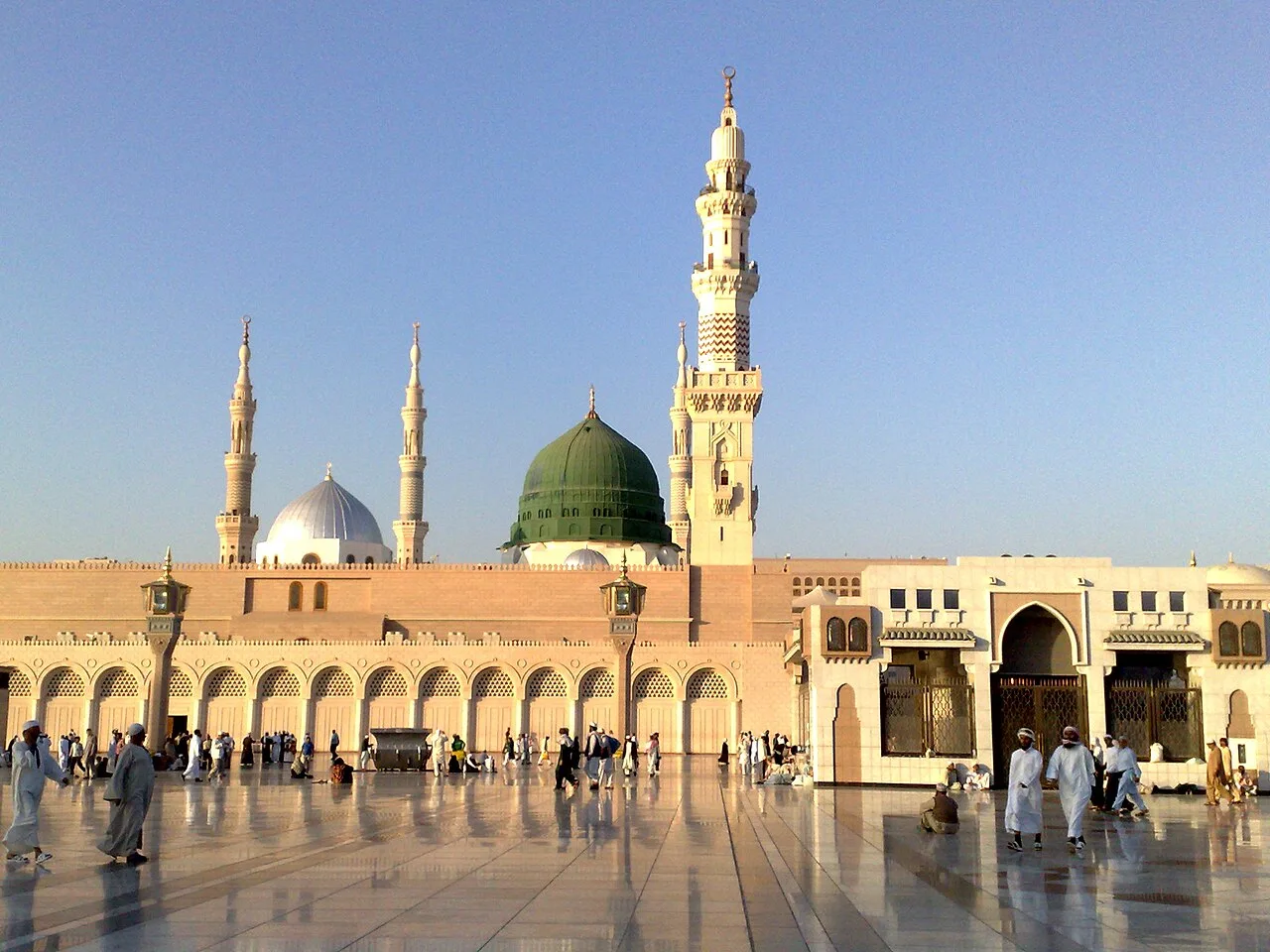
The Hijra and the Formation of the Ummah
In 622 CE, the prophet Muhammad led the migration from Mecca to Medina (the Hijra), establishing the Islamic community (Ummah) and marking Year 1 of the Islamic calendar.
The Founding of the Abbasid Round City of Baghdad
Founded in 762 CE by Caliph al-Mansur along the Tigris River, Baghdad was designed as a concentric circular metropolis that became the economic and intellectual capital of the Islamic world.
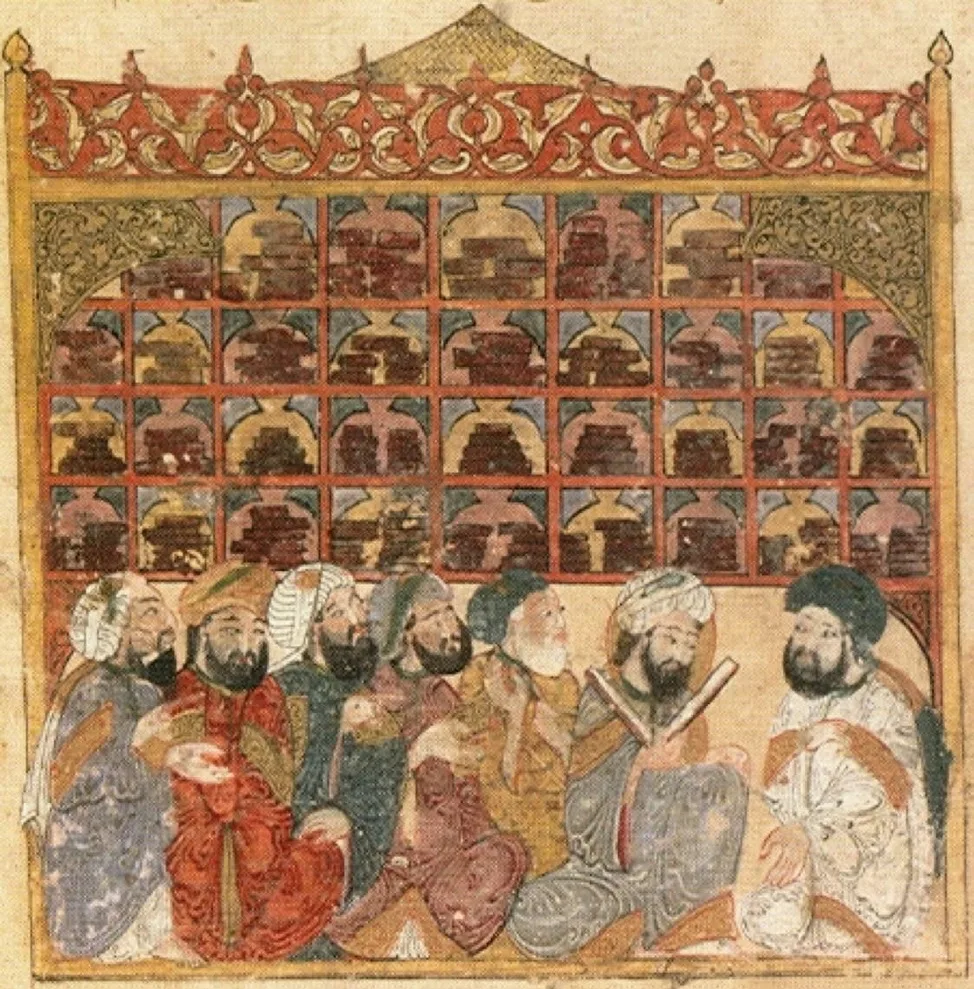
The Bayt al-Hikma and Graeco-Arabic Translation Movement
Under Abbasid patronage in Baghdad, scholars translated Greek, Syriac, Persian, and Sanskrit scientific texts into Arabic. Tradition centers this movement on the Bayt al-Hikma (House of Wisdom), but historians such as Dimitri Gutas doubt it was a translation academy; the translators' own works never mention it.
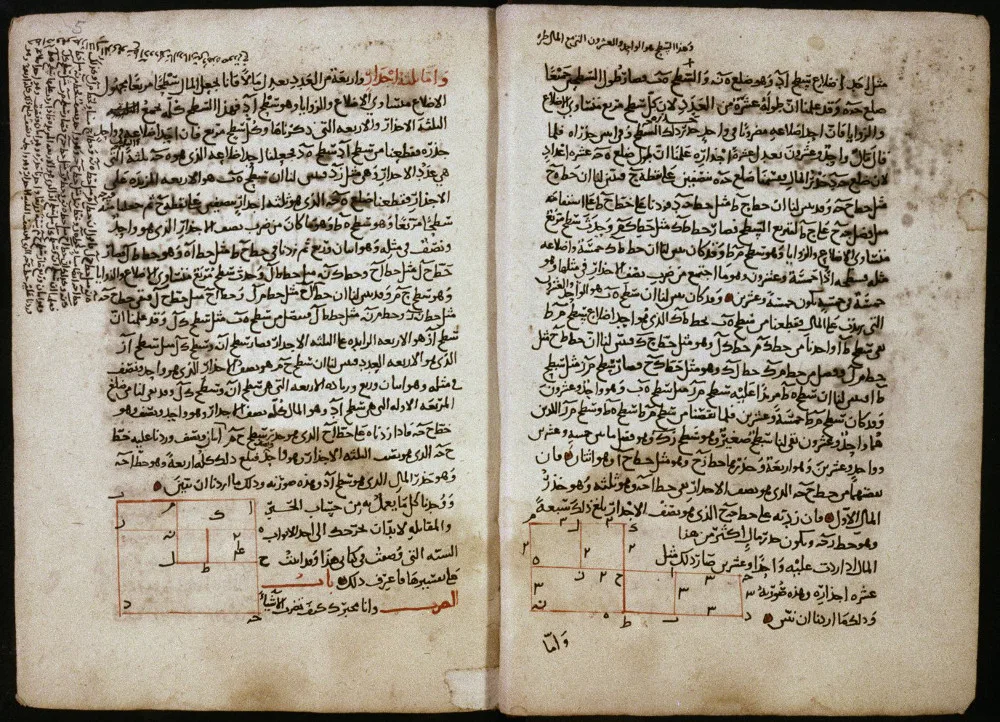
Al-Khwarizmi's Foundation of Systematic Algebra
In early 9th-century Baghdad, mathematician Muhammad ibn Musa al-Khwarizmi authored the foundational treatise on algebra and popularized Hindu-Arabic decimal numerals in the West.
Ibn Sina's Encyclopedic Canon of Medicine
Persian polymath Ibn Sina (Avicenna) synthesized Galenic, Aristotelian, and clinical observations into the five-book Canon of Medicine, which served as the standard medical textbook across Europe and Asia for five centuries.
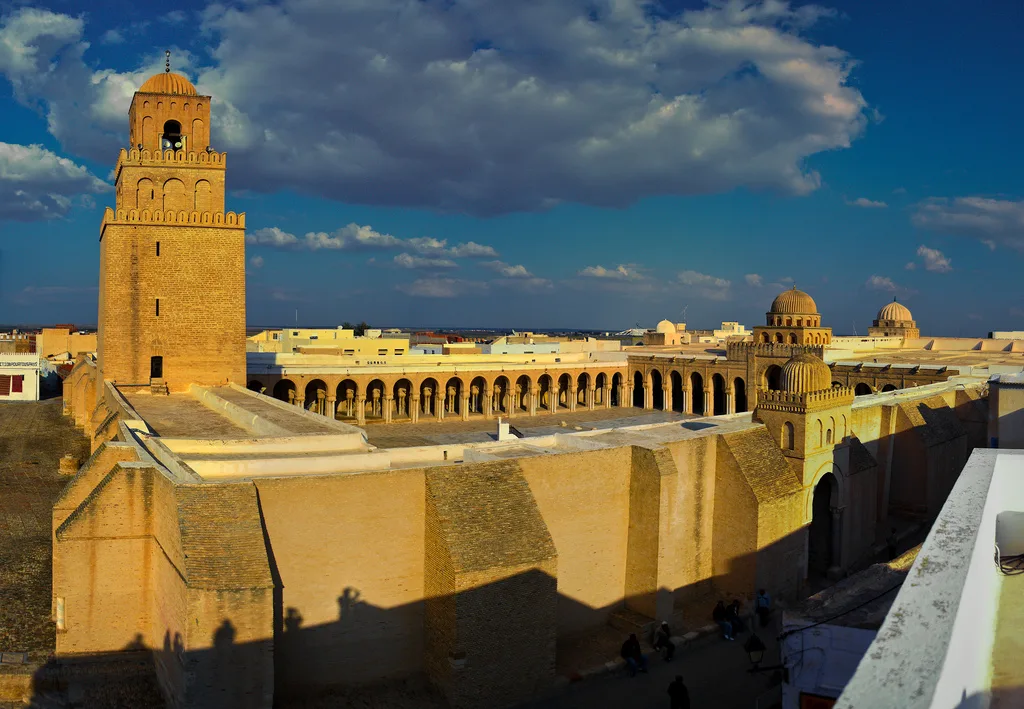
Monumental Hypostyle Architecture of the Great Mosque of Kairouan
Founded in 670 CE in modern Tunisia, the Great Mosque of Kairouan was rebuilt by the Aghlabids in the 9th century into the definitive hypostyle prayer hall, horseshoe arches, and massive square minaret of Western Islamic architecture.
By the numbers
- In what year CE did Constantine and Licinius issue the Edict of Milan, legalizing Christianity in the Roman Empire?
- 313 CE
- In what year CE was the monumental cathedral of Hagia Sophia formally dedicated in Constantinople?
- 537 CE
- In what year CE did Muhammad lead the foundational migration (Hijra) from Mecca to Medina?
- 622 CE
- In what year CE was the Round City of Baghdad founded by Abbasid Caliph al-Mansur?
- 762 CE
Matched pairs
Each item on the left goes with the one on the right.
- Hagia Sophia Cathedral
- A monumental 6th-century domed basilica whose dome rests on pendentives, crowning the imperial skyline of Constantinople
- Nalanda Mahavihara Academy
- A premier residential institution of higher learning in northern India where thousands of international scholars studied Buddhist philosophy and sciences
- Bayt al-Hikma (House of Wisdom)
- The Abbasid caliphal library traditionally linked with the translation of classical Greek, Persian, and Sanskrit works into Arabic
- Avicenna's Canon of Medicine
- A foundational five-book medical treatise synthesizing clinical pharmacology, anatomy, and disease pathology that governed European and Asian physicians for five centuries.
Self-test
Answer each question from memory, then check your work against the answer key.
1. How did Constantine the Great's imperial patronage transform the institutional status of Christianity?
- AIt banned all public Christian worship in favor of traditional Roman pagan gladiatorial rituals
- BIt mandated that all Christian clergy enlist as frontline infantry soldiers in the Roman legions
- CIt transferred the headquarters of the Christian papacy permanently to Alexandria in Egypt
- DIt elevated Christianity from a persecuted underground sect to a legally protected and state-subsidized religion
2. What architectural innovation allowed Hagia Sophia's massive circular dome to rest upon a square base?
- ACorbelling: stone courses stepped inward until they close
- BSquinches: corner arches forming an octagonal base
- CPendentives carrying the dome onto four massive piers
- DA circular drum wall, as in Rome's Pantheon
3. What theological dispute prompted the convening of the Council of Nicaea in 325 CE?
- AWhether Roman bishops should be allowed to marry Byzantine princesses
- BArius's claim that Jesus Christ was a created being subordinate to God the Father
- CWhether animal sacrifice should replace the Eucharistic communion bread
- DWhether Christian scripture should be translated into the Celtic language
4. How did Mahayana Buddhism successfully adapt to existing Chinese culture during the post-Han period?
- ABy using Daoist and Confucian philosophical terms to translate and explain complex Sanskrit concepts
- BBy replacing the Chinese spoken language entirely with Vedic Sanskrit across all cities
- CBy ordering the immediate burning of all ancestral filial shrine tablets in Chinese homes
- DBy declaring that only Indian Kshatriya warriors could attain enlightenment
5. What groundbreaking scientific and mathematical innovation emerged in India during the Gupta era?
- AThe logarithm table for simplifying long multiplication
- BThe decimal place-value system for writing numbers
- CBase-60 counting for hours, minutes and angles
- DGeometry proved step by step from a few axioms
6. What term describes the pattern in which Byzantine emperors such as Justinian I managed the Christian Church?
- ASeparation of church and state: rulers stay out of religion
- BUltramontanism: national churches defer to the Pope
- CPapocaesarism: the church head rules over the secular ruler
- DCaesaropapism: the head of state also heads the church
7. Which Chinese pilgrim-monk studied at Nalanda and brought hundreds of Sanskrit texts home to China?
- AThe monk Kumarajiva
- BThe monk Faxian
- CThe monk Xuanzang
- DThe monk Bodhidharma
8. Why was the Hijra in 622 CE chosen as the foundational year of the Islamic calendar?
- AIt represented the establishment of the first sovereign Islamic civic community in Medina
- BIt marked the military conquest of Constantinople by Umayyad naval fleets
- CIt signaled the discovery of paper manufacturing techniques in Samarkand
- DIt commemorated the completion of the construction of the Kaaba in Mecca
9. What was the primary achievement of the Graeco-Arabic Translation Movement under the Abbasid Caliphate?
- ATranslating classical Greek, Persian, and Indian scientific texts into Arabic and refining them
- BDestroying all pre-Islamic philosophical manuscripts to enforce ideological uniformity
- CTranslating the Quran exclusively into Latin for distribution across Frankish monasteries
- DReplacing the Arabic spoken language with classical Attic Greek across Baghdad
10. What core mathematical technique did Al-Khwarizmi formalize in his groundbreaking treatise *Al-Jabr*?
- AThe geometric calculation of earth-centered planetary epicycles using roman numerals
- BThe systematic reduction and balancing of algebraic equations to solve linear and quadratic problems
- CThe introduction of Hindu-Arabic numerals to replace Roman numeral bookkeeping
- DThe rejection of all abstract numerical values in favor of physical counting pebbles
11. What methodological principle characterized Ibn Sina's *Canon of Medicine*?
- AMandating that all medical treatments be dictated by hereditary municipal guild masters
- BRelying exclusively on magical incantations and astrology to treat all internal organ ailments
- CBanning human anatomical observation and surgical cauterization across all hospitals
- DRigorous categorization of diseases, systematic clinical drug trials, and infectious transmission theory
12. How did early Islamic caliphates legally govern non-Muslim monotheistic populations (*Dhimmi*) such as Christians and Jews?
- ABy enforcing immediate capital punishment unless they converted to Islam within forty days
- BBy confiscating all non-Muslim children into compulsory palace slave retinues
- CBy granting religious autonomy and state protection in exchange for payment of a special tax (*jizya*)
- DBy expelling all non-Muslim merchants from every urban trade bazaar
13. What commercial financial innovation was popularized by medieval Islamic merchants across Afro-Eurasian trade routes?
- AState-printed paper money used as everyday currency
- BNotched tally sticks issued as royal tax receipts
- CGold solidus coins minted to a fixed imperial standard
- DThe sakk, a written order to pay at a distance
14. What theory of vision did Ibn al-Haytham (Alhazen) argue for from systematic optical experiments?
- AA visual spirit flows from the brain out through the eyes
- BObjects shed thin films of atoms that fly into the eye
- CIntromission—light rays reflect from external objects into the eye, disproving the ancient emission theory
- DEmission—the human eye shoots invisible rays of light that illuminate surrounding dark objects
15. Why did the Abbasid Caliphate found Baghdad's planned 'Round City' in 762 CE?
- ATo position the capital nearer to newly conquered Persian territories
- BTo anchor the capital at a Mesopotamian trade crossroads
- CTo isolate the caliphate's court from merchant activity
- DTo serve strictly as a fortified frontier military garrison
16. What economic effect resulted from Umayyad expansion stretching from Iberia to the Indus River?
- AAn integrated trade zone unified by Arabic administration
- BA trade embargo between Muslim and Byzantine lands
- CCollapse of long-distance trade from continuous warfare
- DEconomic isolation of Arabia from conquered lands
Go deeper
- WatchFrom Persecuted to State Faith In 313 CE, the Edict of Milan made Christian worship legal. It followed three centuries of on-and-off persecution.
- WatchBaghdad's House of Wisdom In 622 CE, the Hijra took place. This migration from Mecca to Medina starts the Islamic calendar.
- WatchTen Thousand at Nalanda Up to 10,000 students at one Buddhist university. That's Nalanda's traditional count. Modern scholars call it contested.
- StudyWorld History: Turning Points of Human Civilization in the FlashFeed app
Answer key
- 1. D It elevated Christianity from a persecuted underground sect to a legally protected and state-subsidized religionThe Edict of Milan (313 CE) and subsequent imperial funding granted tax exemptions, legal privileges, and monumental basilicas to the Church.
- 2. C Pendentives carrying the dome onto four massive piersIsidore of Miletus and Anthemius of Tralles used triangular pendentives to carry the roughly 31-meter dome over the square central bay of the nave, transferring its weight onto four massive piers.
- 3. B Arius's claim that Jesus Christ was a created being subordinate to God the FatherThe Arian controversy concerned the relationship between God the Father and the Son; Nicaea defined Christ as *homoousios* (of one substance with the Father).
- 4. A By using Daoist and Confucian philosophical terms to translate and explain complex Sanskrit conceptsTranslators utilized concept-matching (*geyi*), using familiar Daoist terms like *Dao* for *Dharma* and *Wu Wei* for *Nirvana* to explain Buddhist doctrine.
- 5. B The decimal place-value system for writing numbersGupta-era India developed the decimal place-value system behind modern numerals; Aryabhata's Aryabhatiya used place value, though he wrote numbers with letters and had no zero symbol. Rules for zero came later, in Brahmagupta's 628 CE Brahmasphutasiddhanta.
- 6. D Caesaropapism: the head of state also heads the churchByzantine emperors presided over church councils and appointed patriarchs, a pattern called caesaropapism. Churchmen resisted it, and it never became an accepted principle in Byzantium.
- 7. C The monk XuanzangXuanzang studied at Nalanda itself and brought hundreds of Sanskrit texts back to China. Faxian traveled to India decades before Nalanda rose, and Kumarajiva led a translation bureau in Chang'an.
- 8. A It represented the establishment of the first sovereign Islamic civic community in MedinaThe Hijra marked the pivotal transition from a persecuted religious group in Mecca to an organized, self-governing political community (*Ummah*) in Medina.
- 9. A Translating classical Greek, Persian, and Indian scientific texts into Arabic and refining themScholars translated works by Aristotle, Plato, Euclid, Galen, and Ptolemy into Arabic, adding critical commentaries and innovative experimental insights.
- 10. B The systematic reduction and balancing of algebraic equations to solve linear and quadratic problemsAl-Khwarizmi introduced *al-jabr* (restoration/transposition) and *al-muqabala* (balancing/simplification) to systematically solve algebraic equations.
- 11. D Rigorous categorization of diseases, systematic clinical drug trials, and infectious transmission theoryIbn Sina established systematic clinical drug testing, recognized the contagious nature of infectious diseases, and integrated pharmacology with anatomy.
- 12. C By granting religious autonomy and state protection in exchange for payment of a special tax (*jizya*)Non-Muslim 'People of the Book' (*Ahl al-Kitab*) enjoyed legal protection, freedom to practice their religion, and communal courts under the *Dhimmi* contract while paying the *jizya* tax.
- 13. D The sakk, a written order to pay at a distanceIslamic merchants and bankers used the sakk (a written order of payment, sometimes proposed as the origin of the word 'check'), letters of credit (suftaja), and partnership contracts (mudaraba), facilitating trans-regional commerce.
- 14. C Intromission—light rays reflect from external objects into the eye, disproving the ancient emission theoryIn his Book of Optics, Ibn al-Haytham argued from experiment and observation that vision occurs when light from objects enters the eye, rejecting the emission theory of Euclid and Ptolemy.
- 15. B To anchor the capital at a Mesopotamian trade crossroadsBaghdad's circular plan, founded in 762 CE by Caliph al-Mansur, placed the Abbasid capital at a Mesopotamian crossroads, anchoring it as a hub of trans-regional commerce.
- 16. A An integrated trade zone unified by Arabic administrationRapid Umayyad conquest created one integrated commercial zone across three continents, administered in Arabic as the shared lingua franca.
Sources
- First Council of Nicaea — Wikipedia; Henry Chadwick, The Early Church — en.wikipedia.org/wiki/First_Council_of_Nicaea
- Caesaropapism — Wikipedia; Caesaropapism (Wikipedia); Peter Brown, The World of Late Antiquity — en.wikipedia.org/wiki/Caesaropapism
- Dhimmi — Wikipedia; Hugh Kennedy, The Prophet and the Age of the Caliphates — en.wikipedia.org/wiki/Dhimmi
- Book of Optics — Wikipedia; A.I. Sabra, The Optics of Ibn al-Haytham — en.wikipedia.org/wiki/Book_of_Optics
- Eusebius, Life of Constantine
- Procopius, Buildings of Justinian
- Henry Chadwick, The Early Church
- Sukumar Dutt, Buddhist Monks and Monasteries of India
- Sally Hovey Wriggins, The Silk Road Journey with Xuanzang
- Peter Stein, Roman Law in European History
- Eusebius, Life of Constantine — en.wikipedia.org/wiki/Edict_of_Milan
- Procopius, Buildings; Hagia Sophia (Wikipedia) — en.wikipedia.org/wiki/Hagia_Sophia
- Sukumar Dutt, Buddhist Monks and Monasteries of India — en.wikipedia.org/wiki/Nalanda
- Henry Chadwick, The Early Church — en.wikipedia.org/wiki/Constantine_the_Great_and_Christianity
- Henry Chadwick, The Early Church — en.wikipedia.org/wiki/Arianism
- Arthur F. Wright, Buddhism in Chinese History — en.wikipedia.org/wiki/Chinese_Buddhism
- Gupta Empire — Wikipedia — en.wikipedia.org/wiki/Gupta_Empire
- Xuanzang (Wikipedia) — en.wikipedia.org/wiki/Xuanzang
- Henry Chadwick, The Early Church — en.wikipedia.org/wiki/Edict_of_Thessalonica
- Peter Brown, The World of Late Antiquity — en.wikipedia.org/wiki/Constantinople
- Arthur F. Wright, Buddhism in Chinese History — en.wikipedia.org/wiki/Kum%C4%81raj%C4%ABva
- Peter Brown, The World of Late Antiquity — en.wikipedia.org/wiki/Fall_of_the_Western_Roman_Empire
- Ibn Ishaq, The Life of Muhammad
- Hugh Kennedy, When Baghdad Ruled the Muslim World
- Dimitri Gutas, Greek Thought, Arabic Culture (1998)
- Al-Khwarizmi, Kitab al-Jabr wa-l-Muqabala
- Ibn Sina, The Canon of Medicine — en.wikipedia.org/wiki/The_Canon_of_Medicine
- K.A.C. Creswell, Early Muslim Architecture
- Ibn Ishaq, The Life of Muhammad; Fred M. Donner, The Early Islamic Conquests — en.wikipedia.org/wiki/Hegira
- Dimitri Gutas, Greek Thought, Arabic Culture — en.wikipedia.org/wiki/House_of_Wisdom
- Roshdi Rashed, The Development of Arabic Mathematics — en.wikipedia.org/wiki/Muhammad_ibn_Musa_al-Khwarizmi
- Peter Adamson, Philosophy in the Islamic World — en.wikipedia.org/wiki/Avicenna
- Dimitri Gutas, Greek Thought, Arabic Culture — en.wikipedia.org/wiki/Graeco-Arabic_translation_movement
- Roshdi Rashed, The Development of Arabic Mathematics — en.wikipedia.org/wiki/Algebra
- Subhi Labib, Capitalist Tendencies in the Islamic World During the Middle Ages — en.wikipedia.org/wiki/Sakk
- Hugh Kennedy, When Baghdad Ruled the Muslim World — en.wikipedia.org/wiki/Abbasid_Caliphate
- Hugh Kennedy, The Prophet and the Age of the Caliphates — en.wikipedia.org/wiki/Jizya
- Roshdi Rashed, The Development of Arabic Mathematics — en.wikipedia.org/wiki/Arabic_numerals
- Hugh Kennedy, When Baghdad Ruled the Muslim World — en.wikipedia.org/wiki/Round_city_of_Baghdad
- Fred M. Donner, The Early Islamic Conquests — en.wikipedia.org/wiki/Ummah
- Ahmad Y. al-Hassan, Science and Technology in Islam — en.wikipedia.org/wiki/Jabir_ibn_Hayyan
Image credits
- The Edict of Milan and Christian Toleration: Geert Orye (Openverse) · by 2.0 — www.flickr.com/photos/11741671@N03/4752249037
- Xuanzang's Pilgrimage and Sutra Translation: Alex Kwok (Openverse) · by-sa 3.0 — commons.wikimedia.org/wiki/File:Giant_Wild_Goose_Pagoda.jpg
- The Hijra and the Formation of the Ummah: Wikimedia Commons · Bluemangoa2z at Malayalam Wikipedia · Public domain — commons.wikimedia.org/wiki/File:Madeena_masjid_nabavi_12122008230.jpg
- The Bayt al-Hikma and Graeco-Arabic Translation Movement: Wikimedia Commons · Yahya al-Wasiti · Public domain — commons.wikimedia.org/wiki/File:Maqamat_hariri.jpg
- Al-Khwarizmi's Foundation of Systematic Algebra: Muḥammad ibn Musa al-Khwarizmi · Public domain — commons.wikimedia.org/wiki/File:Bodleian_MS._Huntington_214_roll332_frame36.jpg
- Monumental Hypostyle Architecture of the Great Mosque of Kairouan: MAREK SZAREJKO from CLONMEL, IRELAND - POLAND (Openverse) · by-sa 2.0 — commons.wikimedia.org/wiki/File:Great_Mosque_of_Kairouan_Panorama_-_Grande_Mosqu%C3%A9e_de_Kairouan_Panorama.jpg


